Choosing the right water heater is essential for any home. With energy prices climbing and sustainability in focus, Singapore homeowners are turning to efficient water heaters that deliver comfort without high costs. In 2026, the choice between storage (tank) and instant (tankless) water heaters remains a key decision. This guide examines the advantages and drawbacks of each type, their energy efficiency, installation factors, and practical tips for selecting the right system for your home.
Understanding Storage Water Heaters
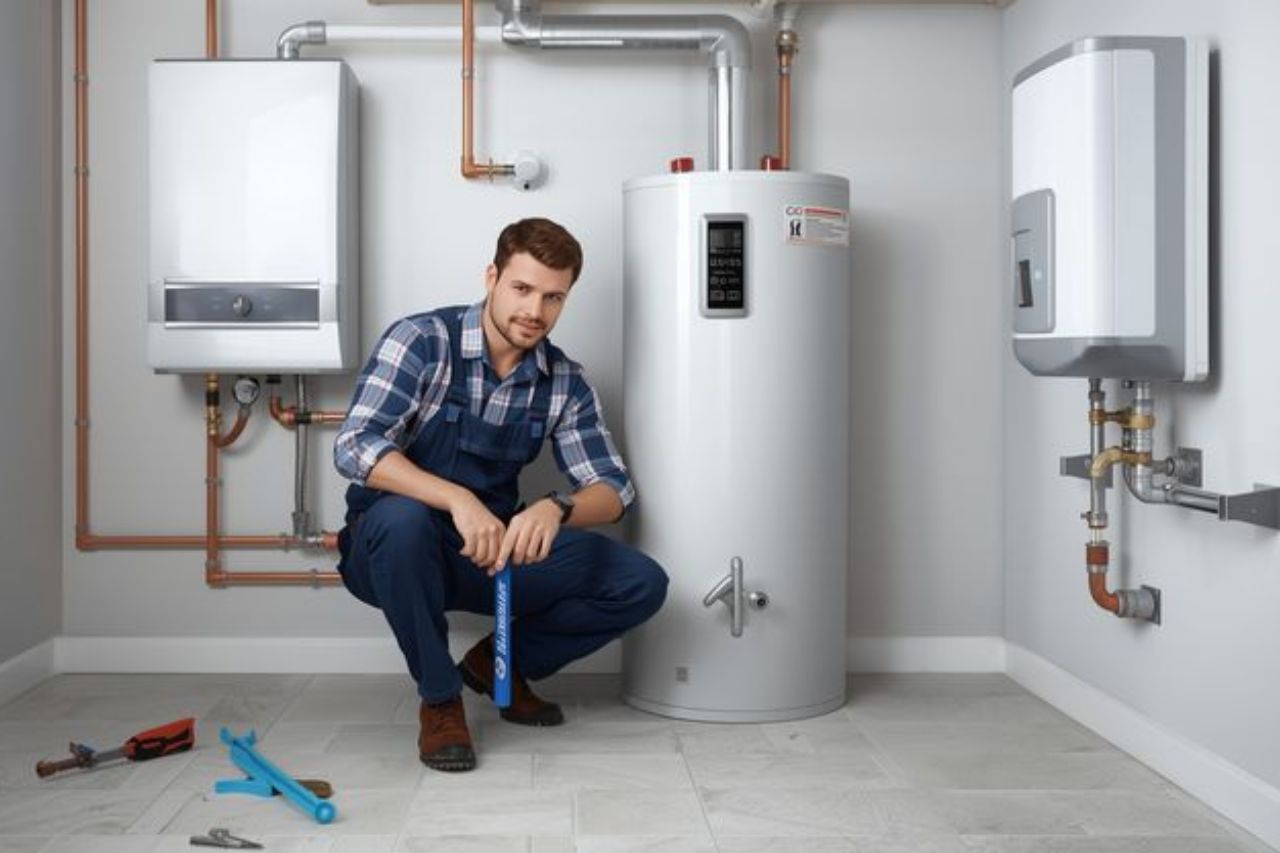
Storage water heaters, known as tank water heaters, store a fixed amount of hot water in an insulated tank. The water is heated continuously or on a schedule to ensure a ready supply when needed.
Key features:
- Capacity-based: Typically ranges from 15L to 150L or more.
- Insulated tank: Keeps water hot for several hours, reducing the need for frequent heating.
- Heating element: Heats and maintains water temperature using electricity or gas.
Advantages:
- Immediate availability: Provides hot water on demand, making it ideal for households with multiple users.
- Consistent temperature: Maintains a steady temperature, suitable for showers, dishwashing, and laundry.
- Simple installation: Easy to connect to existing plumbing, often requiring minimal modifications.
Considerations:
- Energy usage: Continuous heating can consume more electricity or gas, especially for large tanks.
- Space requirements: Requires sufficient space for the tank and safe installation.
- Limited supply: Once the stored water is used, you must wait for the tank to reheat.
Understanding Instant Water Heaters
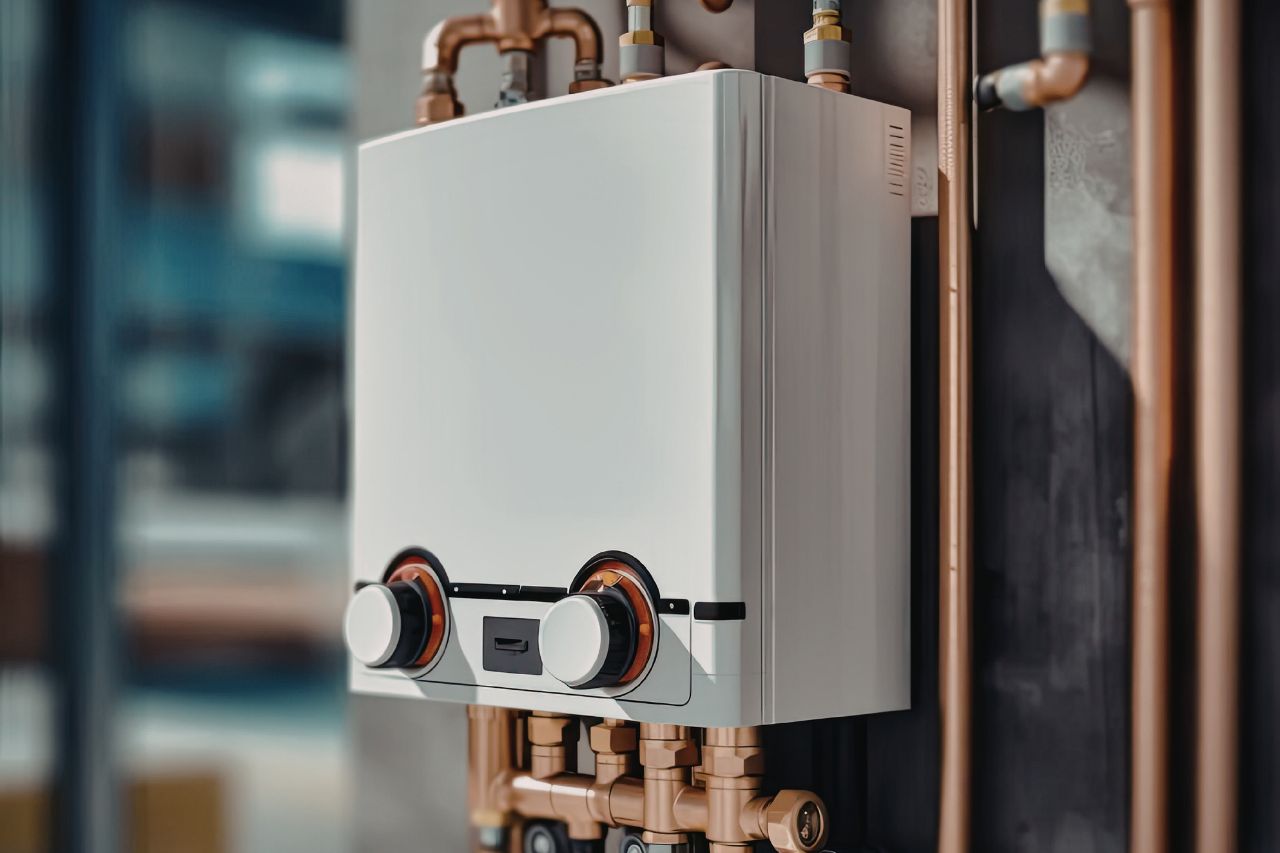
Instant water heaters, also called tankless water heaters, heat water on demand rather than storing it. When a faucet or shower is turned on, cold water passes through a heating element and is instantly heated.
Key features:
- On-demand heating: Only heats water when required.
- Compact design: Takes up less space than storage heaters.
- Energy-efficient: Avoids standby energy loss associated with storing hot water.
Advantages:
- Energy savings: Uses electricity or gas only when hot water is needed, reducing bills.
- Continuous supply: Delivers continuous hot water, making it perfect for high-demand households.
- Space-saving: Compact size makes it perfect for HDB flats, condos, or small homes.
- Longer lifespan: Usually lasts 15–20 years, often outlasting traditional storage water heaters.
Considerations:
- Flow rate limitations: May struggle to supply multiple outlets simultaneously unless properly rated for the demand.
- Higher upfront cost: More expensive to purchase and install than conventional storage heaters.
- Complex installation: Often needs upgraded electrical wiring, gas connections, or plumbing adjustments for proper installation.
Energy Efficiency Comparison
Energy efficiency is a major factor for homeowners in 2026.
Storage water heaters:
- Lose energy due to standby heat loss.
- Efficiency depends on tank insulation and usage patterns.
- Best suited for households with predictable hot water demand.
Instant water heaters:
- Heat water only when needed, minimizing energy waste.
- Efficiency improves further with temperature control and modern inverter technology.
- Perfect for homes with occasional or low hot water demand.
Conclusion: For energy-conscious homeowners, instant water heaters typically deliver greater efficiency, while storage units are better suited for large households with steady, high hot water demand.
Installation Considerations
When choosing between storage and instant water heaters, consider:
- Space availability: Storage heaters require a tank, whereas instant heaters can be wall-mounted and tucked into smaller areas.
- Water demand: Multiple bathrooms or simultaneous showers may favor a larger storage tank or multiple tankless units.
- Plumbing and electrical requirements: Instant heaters may need upgraded wiring or gas connections to handle high-power operation.
- Budget: Storage water heaters usually cost less upfront, while instant heaters help reduce energy bills and save money over time.
- Maintenance: Both storage and tankless heaters should be serviced periodically to maintain efficiency, with descaling for tanks and filter checks for instant units.
Choosing the Right Water Heater for Your Home
Factors to consider:
- Household size: Large families with multiple bathrooms may benefit from storage heaters, while smaller households may prefer instant systems.
- Hot water usage patterns: Intermittent or low-demand usage favors instant heaters; continuous, high-volume usage favors storage tanks.
- Energy costs and sustainability goals: Instant heaters are more energy-efficient and eco-friendly.
- Space constraints: Instant heaters are ideal for compact spaces.
- Budget: Consider both upfront costs and long-term savings on utility bills.
Tip: Many Singapore homeowners combine both types—using instant heaters in kitchens or small bathrooms and storage heaters for large bathrooms—to optimize performance and efficiency.
Maintenance Tips for Long-Lasting Performance
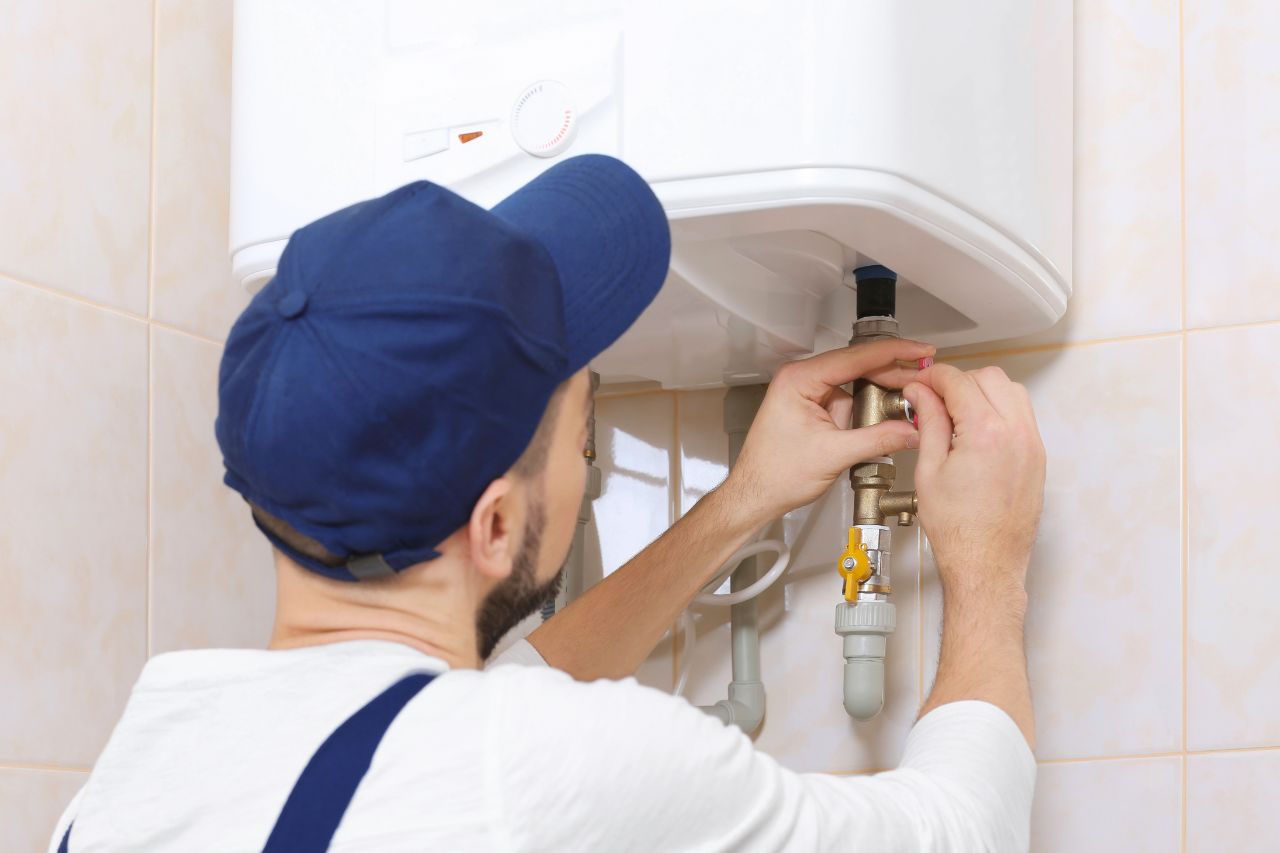
Proper maintenance ensures efficient operation and prolongs the lifespan of your water heater:
For storage water heaters:
- Drain the tank annually to remove sediment and prevent corrosion.
- Check pressure relief valves regularly.
- Inspect for leaks or rust around fittings and the tank.
For instance, water heaters:
- Clean filters periodically to maintain flow and heating efficiency.
- Inspect heating elements and connections for wear.
- Schedule professional servicing every 1–2 years.
Common Issues and How to Avoid Them
Storage water heaters:
- Sediment buildup: Reduces efficiency and may damage heating elements. Flush the tank regularly.
- Temperature fluctuations: Check thermostat settings and ensure the pressure relief valve functions properly.
- Leaks: Inspect tank and piping connections routinely.
Instant water heaters:
- Inadequate flow: Ensure unit capacity matches household demand.
- Electrical or gas issues: Hire licensed professionals for installation and repairs.
- Scaling: Descale units in areas with hard water to maintain performance.
Future Trends in Water Heating
In 2026, water heating technology continues to evolve with a focus on efficiency and smart home integration:
- Smart water heaters: Monitor usage, set schedules, and optimize energy consumption via mobile apps.
- Hybrid systems: Combine storage and instant technologies for balanced performance.
- Eco-friendly designs: Use solar, heat pump, or energy-efficient components to reduce environmental impact.
- Improved materials: Longevity is improved through superior insulation, rust-resistant tanks, and advanced heating components.
These trends help homeowners save energy, reduce utility bills, and maintain reliable hot water systems.
Conclusion
Selecting the right water heater depends on your household size, hot water needs, available space, and energy efficiency goals. Storage water heaters provide ready-to-use water for larger families and high-demand situations, but may consume more energy due to standby losses. Instant water heaters provide on-demand hot water, greater energy efficiency, and save space, making them perfect for smaller households or occasional use.
By understanding the advantages, limitations, and maintenance needs of both types, homeowners in Singapore can select a system that delivers comfort, efficiency, and long-term savings. With careful planning and proper installation, modern water heaters—whether storage or instant—can provide reliable hot water while helping you conserve energy and reduce costs in 2026 and beyond.