Plumbing noises are a common concern for homeowners, but understanding the causes and solutions can prevent damage, reduce stress, and improve your home’s plumbing efficiency. Among the most frequent issues reported in Singapore homes are high water pressure and hammering noises in pipes. While sometimes minor, these problems can indicate serious plumbing concerns if left unaddressed.
This guide explains the causes of water pressure fluctuations and pipe hammering, why they happen, and practical solutions to help homeowners protect their plumbing.
Understanding Water Pressure in Homes
Water pressure refers to the force at which water moves through your pipes. Proper water pressure ensures efficient flow from faucets, showers, and appliances. However, when water pressure is too high or fluctuates, it can strain pipes, fixtures, and appliances.
Key points about water pressure:
- Ideal pressure range: Most homes function optimally at 40–60 psi (pounds per square inch).
- High-pressure risks: Excessive pressure can cause leaks, pipe bursts, and premature wear on fixtures.
- Low-pressure problems: Inadequate pressure can reduce flow in showers, faucets, and appliances, leading to inconvenience.
Monitoring your water pressure is the first step to preventing plumbing noises and ensuring your system runs efficiently.
What Causes Hammering Noises in Pipes?
Pipe hammering, also called water hammer, is the loud banging or thudding sound you hear when turning faucets or appliances on and off. This occurs when water in motion suddenly stops or changes direction, creating a shockwave in the pipes.
Common causes include:
- High water pressure: Fast-moving water hitting closed valves creates vibrations in the pipes.
- Loose pipes: Pipes not secured properly can move and bang against walls or floorboards.
- Worn or faulty valves: Washing machines, dishwashers, and stop valves can cause water hammer if they close abruptly.
- Air trapped in pipes: Air pockets in plumbing lines can amplify vibrations and noise.
Left unchecked, pipe hammering can damage fixtures, joints, and even your plumbing system over time.
Signs You Have Pressure or Hammering Issues
Homeowners should be alert to these signs:
- Loud banging or knocking noises when turning faucets on or off.
- Vibrating pipes behind walls or under floors.
- Leaks or dripping faucets after using appliances.
- Fluctuating water pressure in showers or taps.
- Damaged or leaking pipe joints over time.
Early detection of these issues helps avoid expensive repairs and maintains plumbing efficiency.
How to Diagnose Pipe Hammering and Pressure Problems
Step 1: Check your water pressure
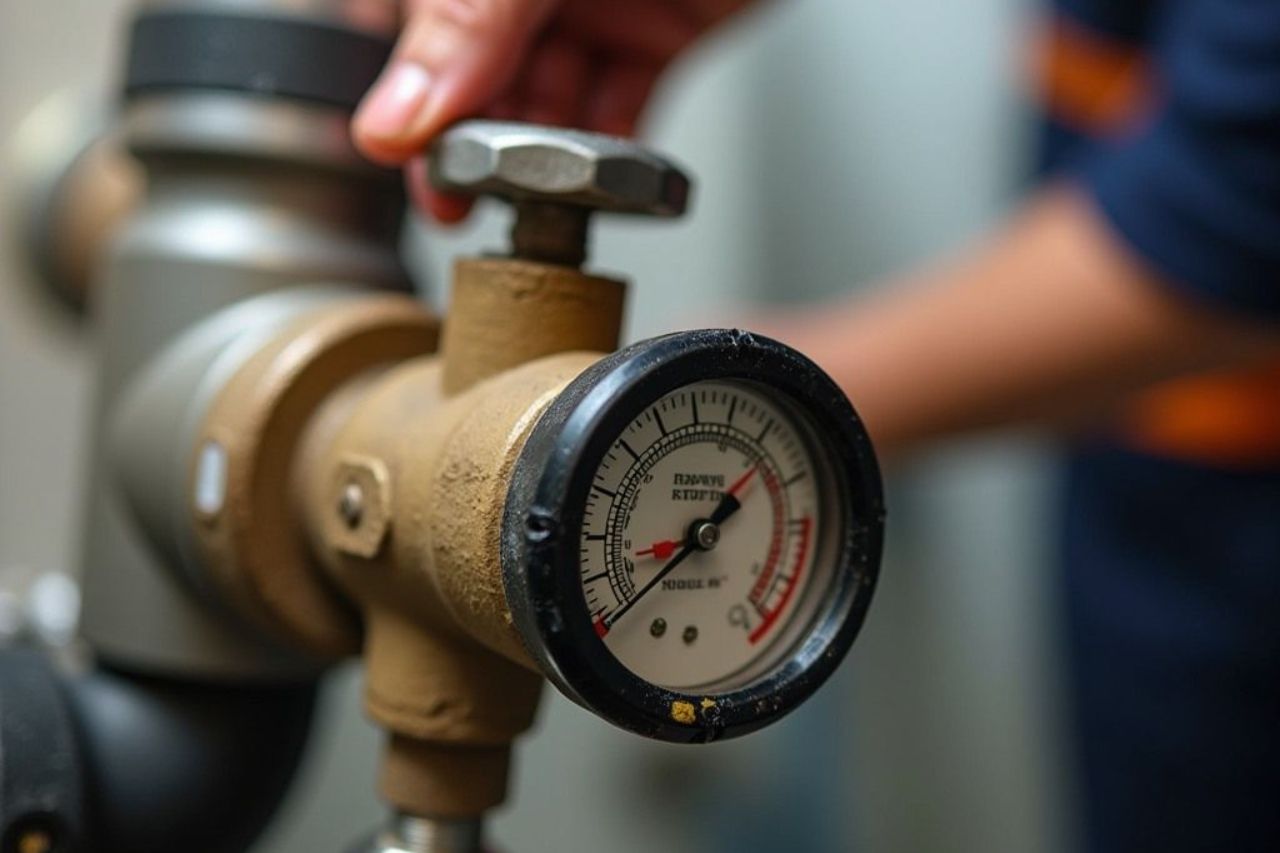
Use a water pressure gauge to measure pressure at a main faucet. Readings above 60 psi indicate high pressure that may contribute to hammering.
Step 2: Inspect visible pipes
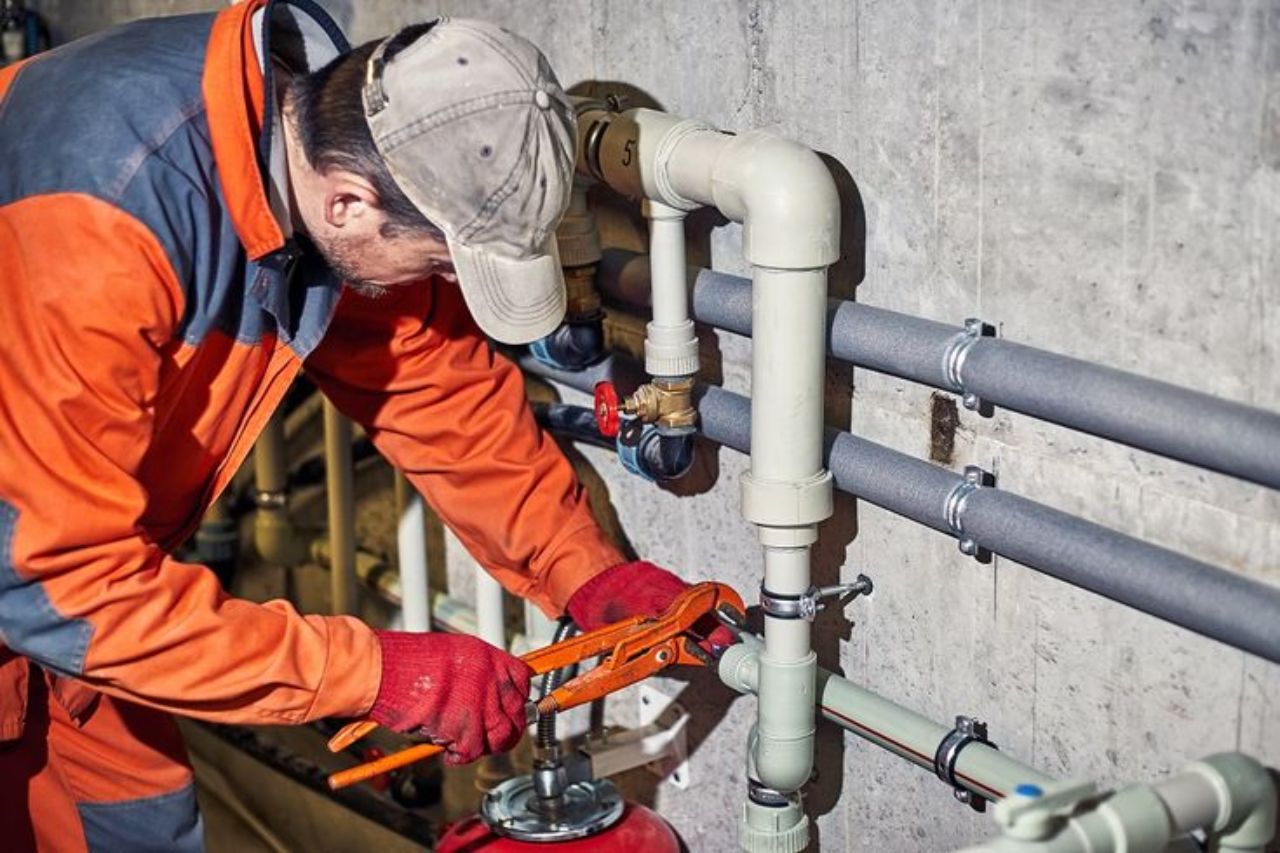
Look for loose pipes or areas where pipes might bang against walls or floorboards. Secure them with pipe brackets or clips.
Step 3: Listen for patterns
Note when the noise occurs—after shutting off washing machines, dishwashers, or faucets. This helps pinpoint the source.
Step 4: Check for faulty valves
Old or worn valves can close too quickly, creating a shockwave. Consider replacing or adjusting them.
Step 5: Consider air chambers or arrestors
Some homes have water hammer arrestors; if they’re not functioning properly, professional servicing may be required.
Preventive Measures for Homeowners
Addressing pressure and hammering issues proactively protects your plumbing and reduces noise:
Install a pressure-reducing valve (PRV)
A PRV regulates incoming water pressure, maintaining it at safe levels. This prevents excessive force in pipes and reduces hammering.
Secure loose pipes
Use pipe clamps, brackets, or cushioning materials to fix pipes in place and prevent movement against walls or floors.
Add water hammer arrestors.
These devices absorb shock waves, preventing the loud banging associated with sudden valve closure.
Inspect and replace worn valves.
Regularly check appliances and stop valves. Replace worn components that close too quickly or create vibrations.
Flush your plumbing system.
Removing trapped air and sediment helps maintain smooth water flow and reduces the likelihood of hammering noises.
Monitor water pressure regularly.
Use a gauge to ensure pressure stays within safe limits (40–60 psi). Adjust PRVs if necessary.
DIY Fixes vs. Professional Help
Many homeowners can handle minor issues themselves, such as securing loose pipes or adjusting valves. However, professional plumbing services are recommended for:
- Installing PRVs or water hammer arrestors.
- Diagnosing hidden issues in walls or floors.
- Replacing old or damaged pipework.
- Persistent or severe noise problems that DIY methods don’t resolve.
With the right tools and experience, professional plumbers identify underlying issues and resolve them for the long term.
Risks of Ignoring Pressure and Hammering Issues
Leaving these problems unaddressed can lead to:
- Pipe damage: Repeated pipe hammering can loosen joints or even cause cracks in your plumbing.
- Leaks: Vibrations weaken seals, leading to drips or bursts.
- Appliance wear: Washing machines, dishwashers, and water heaters may experience premature damage.
- Water waste: Drips and leaks increase utility bills.
- Structural damage: In severe cases, repeated banging can damage walls or flooring.
Early action not only reduces repair costs but also ensures your plumbing system lasts longer.
Long-Term Maintenance Tips
To prevent future issues, consider these strategies:
- Schedule annual plumbing inspections to detect early signs of pressure or hammering problems.
- Keep valves and appliances well-maintained to avoid sudden closures that cause shockwaves.
- Ensure pipes are properly supported with brackets and cushioning where needed.
- Regularly monitor water pressure to avoid excessive stress on your system.
- Upgrade old pipework if corrosion, mineral buildup, or outdated materials contribute to noise and pressure fluctuations.
Consistent maintenance helps maintain quiet, efficient, and reliable plumbing throughout your home.
Conclusion
Pressure fluctuations and hammering noises in pipes are more than just nuisances—they can signal underlying plumbing issues that affect efficiency, safety, and long-term durability. Understanding the causes, identifying warning signs, and taking preventive or corrective measures can save homeowners from costly repairs and water damage.
Whether it’s installing a pressure-reducing valve, adding water hammer arrestors, securing loose pipes, or consulting professional plumbers, the right solutions protect your plumbing system and maintain home comfort. Regular monitoring, maintenance, and timely upgrades ensure that your pipes remain quiet, efficient, and safe for years to come.
By addressing pressure and hammering issues proactively, homeowners in Singapore can enjoy reliable water flow, lower utility bills, and peace of mind, knowing their plumbing system is well-protected and performing optimally.