A clogged kitchen sink is one of the most frustrating problems in any home. It disrupts daily routines, creates unpleasant odors, and can lead to costly plumbing repairs if left unaddressed. While minor clogs may seem like a simple nuisance, they often indicate buildup in pipes that can worsen over time. The good news is that most kitchen sink clogs can be prevented or quickly cleared with simple preventive measures and a few effective DIY fixes—often without needing a plumber.
This guide explores common causes of kitchen sink clogs, preventive steps homeowners can take, and lesser-known quick fixes that are highly effective.
Understanding Why Kitchen Sinks Get Clogged
To prevent clogs, it helps to understand their root causes. Kitchen sink blockages often occur due to:
- Food waste buildup: Leftover food, grease, and oils that go down the drain can accumulate inside pipes.
- Grease and oil solidification: Even small amounts of oil or fat can solidify in pipes over time, restricting water flow.
- Soap residue: Soap and detergent can combine with food particles to form sticky deposits.
- Foreign objects: Small kitchen items such as bottle caps, utensils, or packaging can accidentally enter the drain and cause blockages.
- Hard water deposits: Mineral buildup from hard water can narrow pipe diameters, making it easier for debris to get stuck.
Identifying these causes is the first step toward keeping your sink draining smoothly.
Preventive Steps to Avoid Sink Clogs
1. Use a Drain Strainer or Catcher
A simple drain strainer is one of the most effective preventive tools:
- Place it over the sink drain to catch food scraps and debris.
- Empty it regularly to prevent buildup.
- Strainers come in different sizes and materials, including stainless steel and silicone, which are easy to clean.
By catching food and debris before they enter the pipe, strainers dramatically reduce clog risks.
2. Avoid Pouring Grease Down the Drain
Grease and cooking oil are among the biggest culprits behind clogs:
- Let the grease cool and solidify in the container before discarding.
- Wipe greasy pans with paper towels before washing.
- Use biodegradable grease disposal products if necessary.
This simple habit prevents fat from sticking to pipes and forming hard, stubborn blockages.
3. Run Hot Water Regularly
Flushing the sink with hot water helps prevent minor buildup:
- Run hot tap water for a minute after washing dishes.
- For stubborn grease, boil water and carefully pour it down the drain to dissolve fats.
- Hot water also helps move small food particles along the pipes.
This routine is a simple yet effective preventive measure.
4. Avoid Harsh Chemical Drain Cleaners
Chemical drain cleaners may dissolve minor clogs, but frequent use can damage pipes and harm the environment:
- Opt for safer alternatives such as baking soda and vinegar or enzymatic drain cleaners.
- Use chemical drain cleaners only in extreme cases.
Using gentler solutions preserves your plumbing while effectively clearing minor blockages.
5. Keep Garbage Disposals Clean
For sinks with garbage disposals:
- Run the disposal with cold water to solidify grease for easier grinding.
- Occasionally, grind ice cubes or citrus peels to clean blades and freshen the drain.
- Avoid putting fibrous food, bones, or large quantities of starch down the disposal.
Proper care of your disposal reduces clogs and unpleasant odors.
Quick Fixes You Haven’t Tried
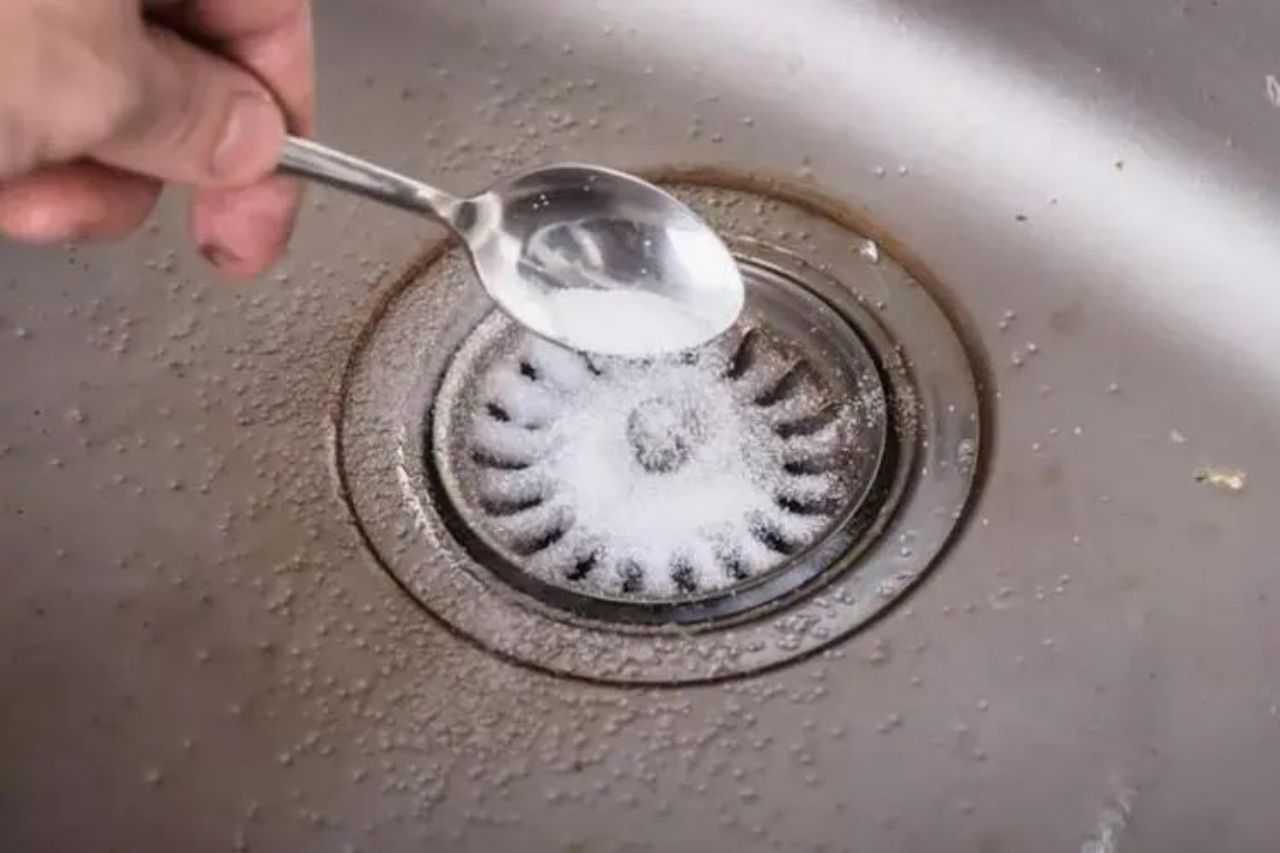
1. Baking Soda and Vinegar Method
This natural solution works on minor clogs and slow drains:
- Pour half a cup of baking soda down the drain.
- Follow with half a cup of white vinegar.
- Let it fizz for 15–20 minutes, then flush with hot water.
The fizzing reaction helps dissolve buildup and naturally deodorizes the drain.
2. Manual Drain Snake or Wire Hanger
Mechanical removal is highly effective for stubborn clogs:
- Use a drain snake to reach deep into the pipe and pull out debris.
- In a pinch, straighten a wire hanger with a small hook at the end and carefully fish out the clog.
- Avoid forcing items too hard to prevent damaging the pipe.
This method works well for clogs near the drain opening.
3. Wet/Dry Vacuum Technique
A wet/dry vacuum can remove clogs quickly:
- Set the vacuum to liquids mode.
- Place the hose over the drain and seal around the edges.
- Turn on the vacuum to suction out the blockage.
This technique is especially useful for liquid or semi-liquid clogs that resist plunging.
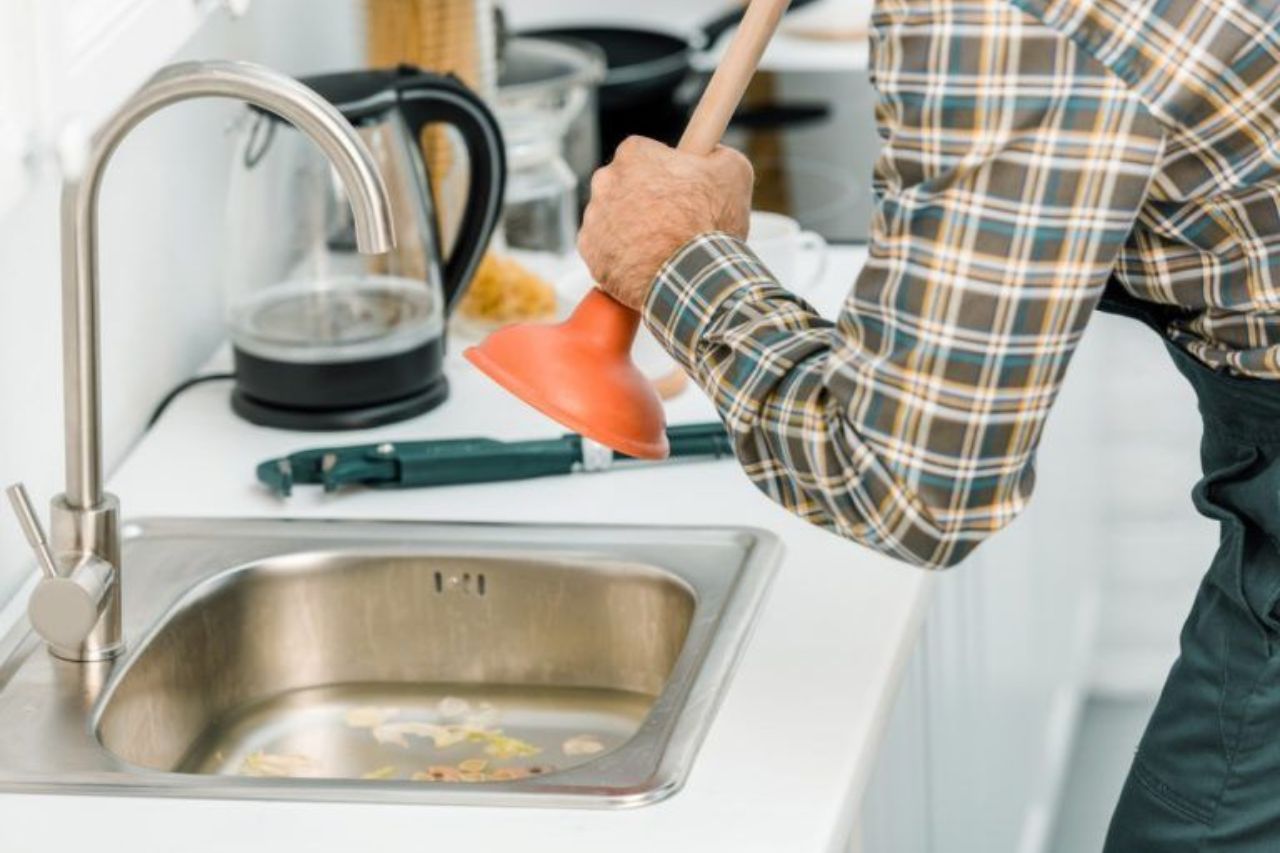
4. Plunger Fix
The classic plunger can still be highly effective:
- Fill the sink partially with water to cover the plunger cup.
- Pump the plunger vigorously several times.
- Repeat if necessary until the water drains freely.
Ensure a tight seal around the drain for maximum suction.
5. Check the P-Trap
The P-trap under the sink can accumulate debris:
- Place a bucket underneath to catch water.
- Unscrew the P-trap carefully.
- Clear out trapped food, grease, or debris, then reattach the P-trap securely.
Cleaning out the P-trap often resolves slow drainage without further effort.
Regular Maintenance Tips
- Monthly inspection: Check for leaks, slow drainage, and odors.
- Flush with hot water: Regularly run hot water through the drain to prevent grease buildup.
- Clean disposal: Regularly grind ice cubes, salt, or citrus peels to clean and deodorize your garbage disposal.
- Avoid inappropriate items: Never pour fats, fibrous food, or large solids down the drain.
- Professional inspection: Schedule a plumber to inspect pipes annually, especially if you notice repeated clogs.
Regular maintenance prevents minor issues from escalating into costly plumbing emergencies.
Benefits of Preventive Action
By taking preventive steps and applying quick fixes, homeowners can:
- Save water and money: Prevent blockages that cause leaks or overflows.
- Avoid property damage: Slow or clogged drains can lead to water seepage and damage to cabinets or floors.
- Extend the life of plumbing: Pipes and garbage disposals last longer when properly maintained.
- Maintain hygiene: Prevent stagnant water and unpleasant odors in the kitchen.
Small habits such as using strainers, avoiding grease disposal, and running hot water can make a significant difference over time.
When to Call a Professional
Even with preventive measures, some clogs require professional intervention:
- Persistent or recurring blockages that resist DIY methods.
- Leaks under the sink or in hidden pipes.
- Sewer line issues or multiple slow drains in the home.
- Foul odors indicate bacterial buildup or more serious pipe issues.
Licensed plumbers use specialized tools to safely and efficiently locate and remove deep or stubborn clogs.
Conclusion
Clogged kitchen sinks are a common household problem, but most can be prevented with simple steps and timely intervention. Using drain filters, avoiding grease traps, running hot water, and maintaining garbage disposals are effective preventative measures. Quick fixes like baking soda and vinegar, soaking, or cleaning a P-trap can clear up minor blockages without professional help.
Taking proactive steps not only keeps your sink draining smoothly but also saves water, reduces utility bills, prevents property damage, and extends the life of your plumbing system. Whether it’s a small clog or a stubborn blockage, addressing it promptly ensures your kitchen remains functional, hygienic, and stress-free.
With consistent preventive care and occasional professional inspections, you can enjoy a clog-free kitchen and avoid the hassle and expense of major plumbing emergencies.