
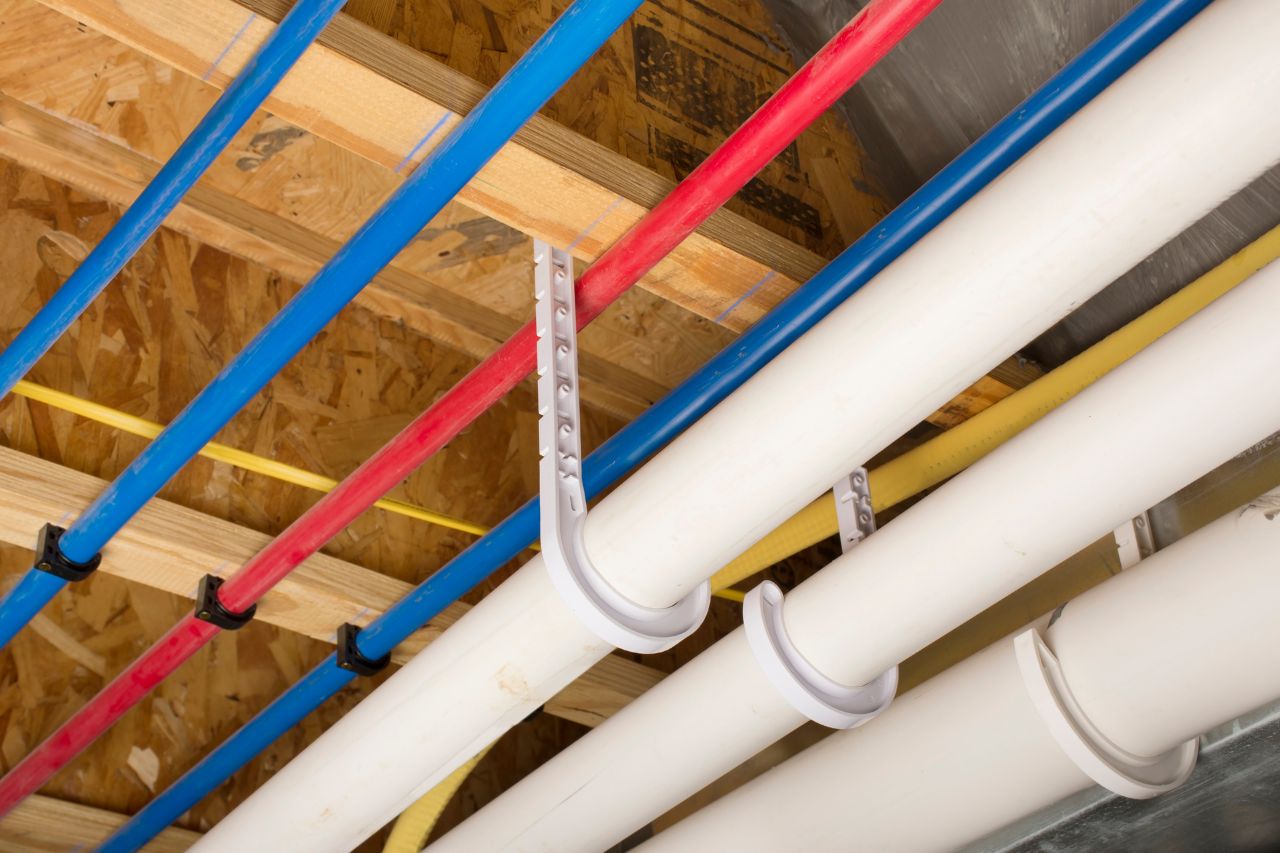
Modern plumbing systems are evolving, and homeowners in Singapore are increasingly choosing PEX pipes over traditional copper or PVC options. Known for their flexibility, durability, and cost-effectiveness, PEX (cross-linked polyethylene) pipes are quickly becoming the preferred choice for residential and commercial plumbing installations.
This guide explains why PEX pipes are gaining popularity, their advantages over other materials, installation considerations, and tips for ensuring long-lasting performance.
What Are PEX Pipes?
PEX stands for cross-linked polyethylene, a type of plastic that is chemically treated to improve its strength and heat resistance. Unlike rigid copper or PVC pipes, PEX is flexible, making it easier to install in tight spaces and around corners without requiring numerous fittings.
Key characteristics of PEX pipes include:
- Flexibility: Can bend around obstacles, reducing the need for elbows and joints.
- Durability: Resistant to corrosion, scaling, and chemical damage.
- Temperature resistance: Handles both hot and cold water efficiently.
- Longevity: Typically lasts 40–50 years with proper installation and maintenance.
Advantages of PEX Pipes
1. Easy Installation
PEX pipes are lightweight and flexible, which makes installation faster and simpler compared to rigid materials. Plumbers can install long stretches of PEX without joints, minimizing potential leak points and cutting labor costs.
Benefits:
- Fewer fittings are required, lowering the risk of leaks.
- Easier to work with in tight spaces or behind walls.
- Reduces installation time and overall costs.
2. Corrosion and Scale Resistance
Unlike copper pipes, PEX does not corrode or develop mineral scale over time. This ensures consistent water flow and reduces maintenance needs.
Benefits:
- Cleaner water with no metallic taste.
- Less risk of pipe failure or reduced water flow.
- Ideal for areas with hard water.
3. Freeze and Burst Resistance
PEX pipes are more resilient to freezing conditions than rigid pipes. While they are not completely immune to extreme cold, their flexibility allows them to expand slightly if water freezes, reducing the chance of bursting.
Benefits:
- Increased reliability in variable climates.
- Lower risk of emergency repairs due to burst pipes.
- Peace of mind for homeowners in high-rise or exposed properties.
4. Cost-Effectiveness
PEX piping is generally less expensive than copper, both in material and labor costs. Its flexibility reduces the number of fittings needed, lowering installation expenses.
Benefits:
- Affordable alternative for new installations or renovations.
- Long-term savings on maintenance and repairs.
- Suitable for large-scale plumbing projects without breaking the budget.
5. Quiet Operation
Compared to metal, PEX pipes lessen vibrations and pipe noise caused by pressure swings. This makes for a quieter home environment.
Benefits:
- Minimizes disruptive plumbing noises.
- Less stress on joints and fittings.
- Enhances overall comfort and home experience.
6. Versatility
PEX is suitable for a wide range of applications, including:
- Hot and cold water supply
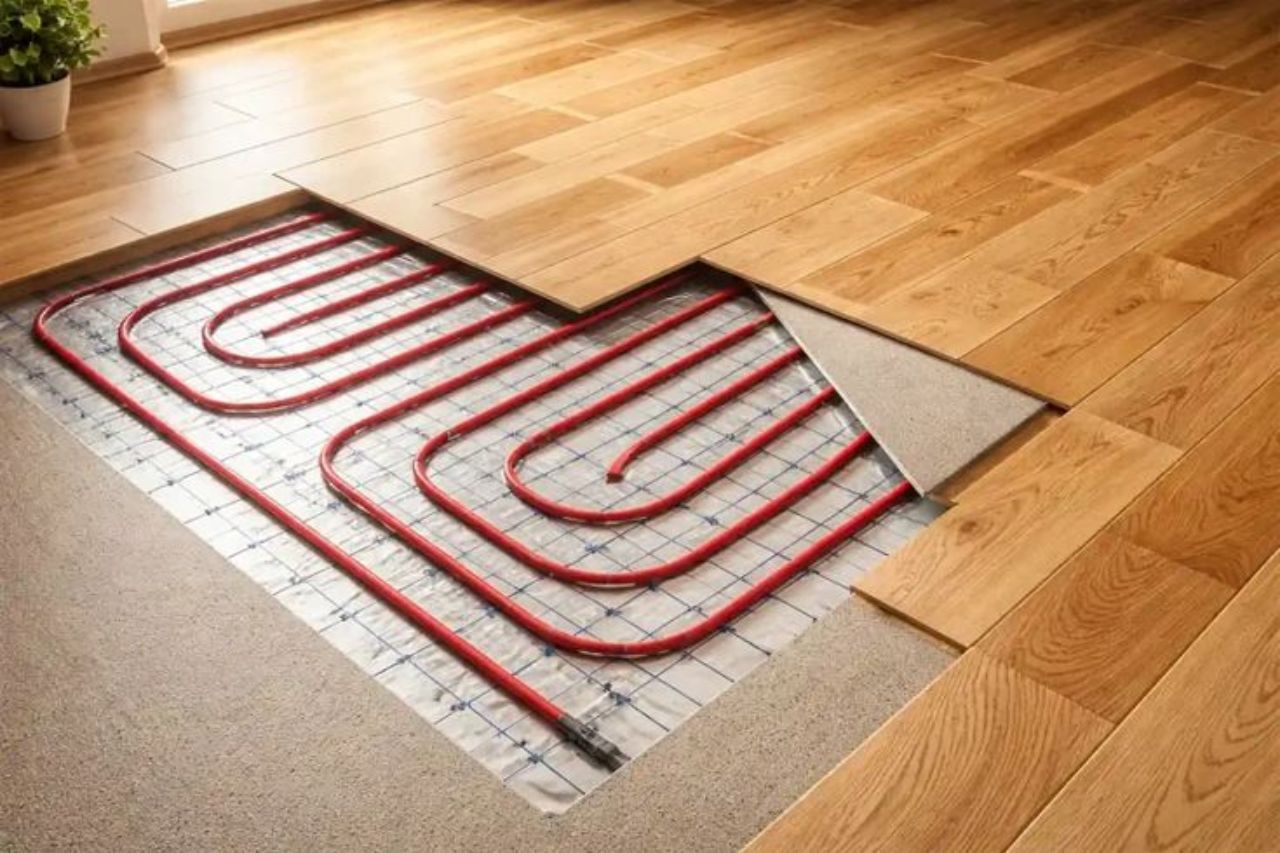
- Radiant floor heating systems
- Snow-melt systems (in some climates)
- Potable water systems
Benefits:
- Compatible with modern plumbing needs.
- It can be used in both new constructions and retrofits.
- Reduces the need for multiple types of pipes in a single project.
Installation Considerations
While PEX offers many advantages, proper installation is key to ensuring long-term performance.
- Use appropriate fittings: PEX uses specialized fittings, including crimp, clamp, or push-fit connections. Each has specific tools and techniques.
- Protect from UV exposure: PEX degrades under prolonged sunlight, so it should not be installed outdoors without proper shielding.
- Secure pipes properly: Even flexible PEX needs proper supports to prevent sagging or movement that could stress fittings.
- Avoid sharp bends: Although flexible, severe bends may kink the pipe, limiting water flow.
- Check local plumbing codes: Ensure that PEX installation complies with Singapore regulations and building codes.
PEX vs. Traditional Pipes
PEX vs. Copper:
- PEX is more flexible and easier to install.
- Resistant to corrosion and scaling.
- Less expensive in terms of material and labor.
- Quieter under pressure fluctuations.
PEX vs. PVC:
- PEX handles hot water better than PVC.
- Flexible, requiring fewer joints.
- More durable under pressure changes.
- PVC is more rigid and prone to cracking under stress.
Conclusion: PEX combines the best traits of both copper and PVC, offering durability, flexibility, and affordability.

Maintenance Tips for PEX Pipes
Proper care ensures that PEX pipes perform efficiently for decades:
- Regular inspections: Check visible pipes and fittings for leaks or wear.
- Avoid chemical exposure: Strong solvents or adhesives can damage PEX.
- Maintain water pressure: Excessive pressure can stress pipes and fittings.
- Flush system periodically: Flushing eliminates sediment buildup, ensuring connected fixtures work properly.
- Professional servicing: For major renovations or high-rise installations, consult licensed plumbers familiar with PEX systems.
Common Concerns and Misconceptions
- “PEX cannot handle hot water.” – Modern PEX is rated for temperatures up to 200°F (93°C), making it suitable for hot water lines.
- “It’s not durable.” – With proper installation, PEX lasts 40–50 years, comparable to or exceeding traditional copper.
- “It leaches chemicals into water.” – PEX approved for potable water is safe and meets international health standards.
- “Pipes can’t be buried or concealed.” – PEX is widely used behind walls, under floors, and in ceilings when installed according to code.
Why Singapore Homeowners Are Switching to PEX
- High-rise living: Flexible pipes are easier to run vertically and around obstacles.
- Space-saving installations: Ideal for HDB flats, condos, and compact landed homes.
- Water conservation and efficiency: Smooth internal walls maintain consistent flow with minimal pressure loss.
- Cost-conscious projects: Lower installation costs appeal to both homeowners and developers.
The combination of flexibility, durability, and affordability makes PEX ideal for modern Singapore homes.
Conclusion
PEX pipes are rapidly becoming the go-to choice for modern plumbing due to their flexibility, durability, and efficiency. PEX pipes make installation easier, cut costs, reduce the risk of leaks, and reliably carry both hot and cold water. PEX outperforms copper and PVC by reducing noise, preventing corrosion, and ensuring reliable, long-term plumbing for Singapore homes.
Whether you’re renovating, building a new home, or upgrading an existing system, PEX pipes provide a modern, cost-effective, and reliable plumbing solution. With proper installation and routine maintenance, PEX systems can deliver decades of hassle-free performance, making them a smart investment for any household.