
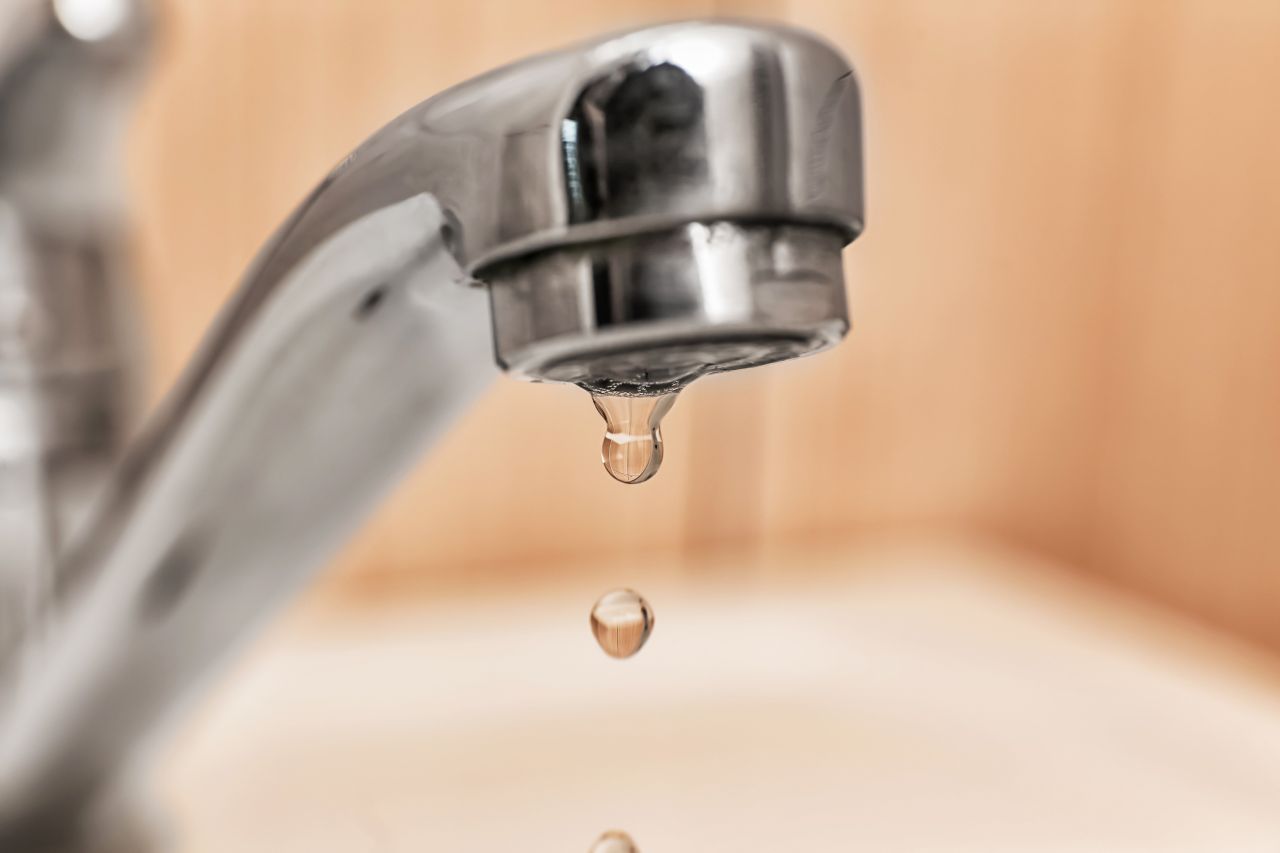
A dripping tap or faucet may seem like a minor annoyance, but over time, even small leaks can waste thousands of liters of water, increase utility bills, and damage your property. In Singapore, where water conservation is important, and plumbing repairs can be costly, addressing faucet leaks promptly is essential. The good news is that many leaks can be prevented with simple maintenance, proper installation, and timely repairs.
This guide provides homeowners with practical tips to permanently stop tap or faucet leaks, helping save water, protect your home, and reduce unnecessary expenses.
Why Faucet Leaks Happen
To effectively repair a faucet, start by identifying the reasons leaks occur. Common causes include:
- Worn washers or O-rings: These small components create a seal inside the faucet. Over time, they wear out and cause drips.
- Corroded valve seats: Mineral buildup or rust can damage the valve seat, causing water to leak.
- Loose or damaged parts: Over time, screws, nuts, and other internal parts can loosen, leading to leaks.
- High water pressure: Faucets can start leaking at handles and spouts if exposed to excessive pressure.
- Improper installation: Faucets not installed correctly may develop leaks shortly after setup.
Identifying the root cause ensures you apply the right fix and prevents recurring leaks.
Top Tips to Stop Faucet Leaks Permanently
1. Replace Worn Washers and O-Rings
Worn washers and O-rings are the most common cause of dripping taps. Replacing them is a simple and affordable solution:
- Turn off the water supply.
- Disassemble the faucet carefully.
- Remove the damaged washer or O-ring and fit a new, correctly sized replacement.
- Reassemble the faucet and turn the water back on.
Tip: Keep spare washers and O-rings on hand for quick repairs.
2. Check and Clean Valve Seats
The valve seat connects the faucet handle to the spout and controls water flow. Over time, corrosion or mineral buildup can cause leaks:
- Remove the valve seat using a wrench or valve seat tool.
- Clean it with a soft brush or a vinegar solution to remove mineral deposits.
- Replace the seat if it’s severely corroded.
Maintaining clean valve seats prevents leaks and ensures smooth operation.
3. Tighten Loose Components
Faucets contain multiple small components that may loosen with use:
- Inspect screws, nuts, and other fasteners.
- Use a screwdriver or wrench to tighten any loose parts.
- Avoid overtightening, which can damage components or cause leaks.
A simple tightening session can often stop minor drips permanently.
4. Regulate Water Pressure
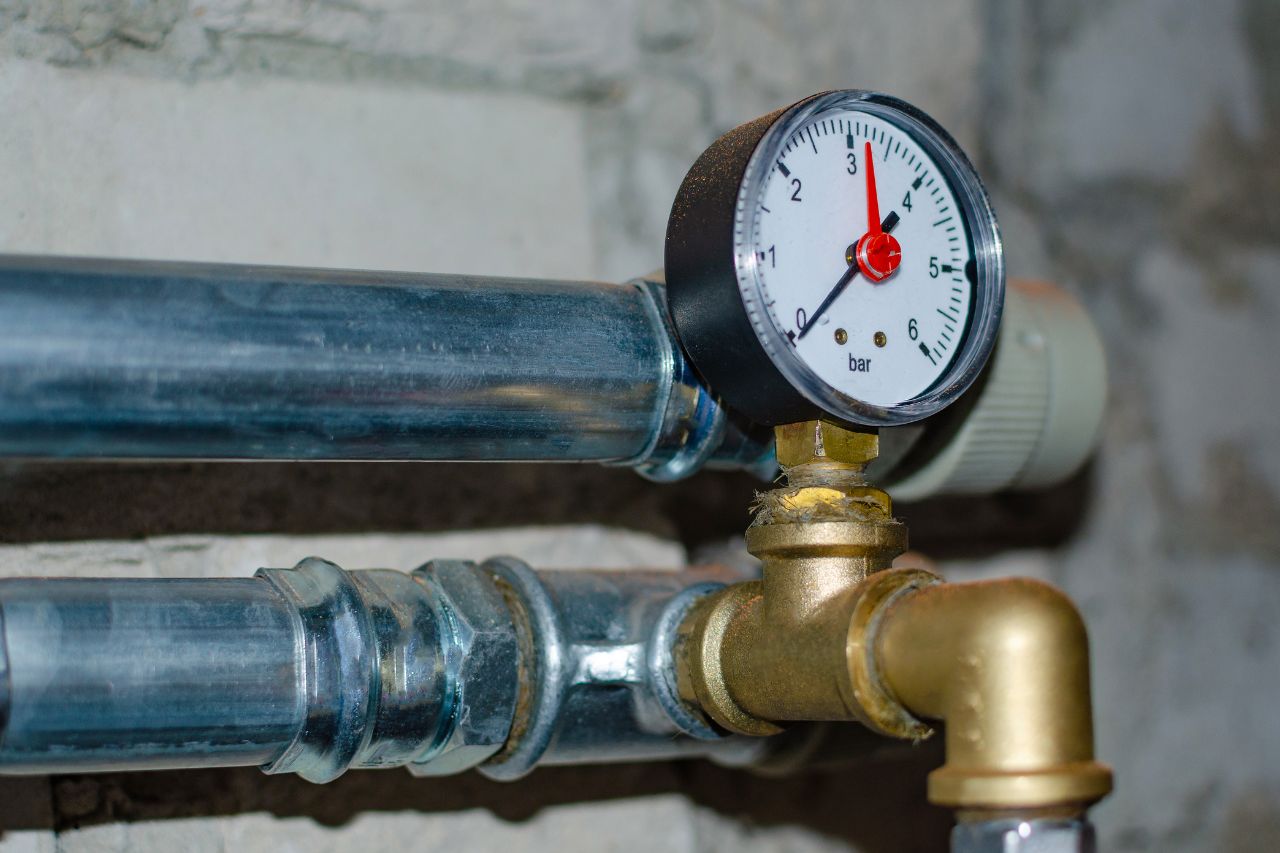
High water pressure can damage faucets and plumbing fixtures, resulting in leaks. Installing a pressure-reducing valve (PRV) ensures your water pressure stays within a safe range:
- Recommended residential water pressure is typically 40–60 psi.
- Test your home’s water pressure using a gauge.
- If pressure is high, install a PRV to prevent future leaks.
Maintaining proper water pressure protects faucets and extends their lifespan.
5. Replace Old or Faulty Faucets
If your faucet is old, corroded, or repeatedly leaking, replacement may be the most cost-effective solution:
- Choose high-quality, durable faucets designed for long-term use.
- Ensure correct installation by following the manufacturer’s instructions or hiring a licensed plumber.
- Select an efficient water faucet or tap model to conserve water and lower your bill.
A new faucet eliminates persistent leaks and improves your home’s overall plumbing system.
6. Use Faucet-Specific Sealants
In some cases, applying a faucet-safe sealant around joints or connections can prevent minor leaks:
- Use non-toxic, waterproof sealants designed for plumbing use.
- Apply carefully around threaded connections or small gaps.
- Avoid overuse, as excessive sealant may clog the faucet or restrict water flow.
Sealants provide an extra layer of protection and help stop leaks at vulnerable points.
7. Perform Routine Maintenance
Regular inspection and maintenance are essential for preventing leaks:
- Check faucets for drips monthly.
- Clean aerators and spouts to remove mineral buildup.
- Lubricate moving parts with plumber’s grease to reduce wear.
Routine care ensures that small problems don’t escalate into major leaks.
8. Detect Hidden Leaks Early
Sometimes, water may leak inside the faucet body without visible drips:
- Monitor your water meter for unexpected changes.
- Check under sinks for dampness or water stains.
- Listen for unusual sounds such as hissing or dripping.
Early detection prevents water waste and costly damage to cabinets, walls, or flooring.
9. Avoid DIY Mistakes
While minor faucet repairs can be done at home, improper handling may worsen leaks:
- Always turn off the water supply before disassembly.
- Use the correct tools to avoid damage to components.
- Don’t overtighten screws or fittings.
For complex repairs or repeated leaks, hiring a licensed plumber ensures a permanent fix.
10. Educate Household Members
Preventing faucet leaks isn’t just about repairs; it’s also about proper usage:
- Avoid turning taps on too forcefully.
- Don’t hang heavy items or apply pressure to faucets.
- Encourage family members to report drips promptly.
Awareness and proper use reduce wear and prolong the life of your faucets.
Benefits of Stopping Faucet Leaks
Addressing and preventing faucet leaks provides multiple advantages:
- Water savings: Even a small drip can waste hundreds of liters per month.
- Lower utility bills: Reduced water waste directly lowers your bills.
- Property protection: Prevents water damage to cabinets, floors, and walls.
- Extended fixture lifespan: Proper maintenance reduces wear on faucets and plumbing components.
- Environmental impact: Conserving water helps protect Singapore’s limited resources.
By following these tips, homeowners can enjoy leak-free plumbing for years to come.
When to Call a Professional
Not all leaks are simple to fix. You should consult a licensed plumber if:
- Leaks persist despite replacing washers, O-rings, or other components.
- Faucets are old, corroded, or damaged beyond repair.
- Hidden leaks cause water damage inside walls or under sinks.
- High water pressure or structural plumbing issues are suspected.
Professional intervention ensures leaks are addressed safely, efficiently, and permanently.
Conclusion
A leaking faucet may seem minor, but left unattended, it wastes water, increases bills, and can damage your home. Fortunately, most faucet leaks can be stopped permanently with regular maintenance, timely repairs, and occasional professional help.
By replacing worn washers and O-rings, cleaning valve seats, tightening loose components, managing water pressure, and performing routine inspections, homeowners can keep taps leak-free. Regular maintenance not only saves money but also extends the lifespan of your plumbing fixtures and contributes to environmental conservation.
Don’t let a dripping faucet drain your wallet. Take proactive steps today to stop leaks, protect your property, and enjoy the peace of mind that comes with a well-maintained plumbing system.