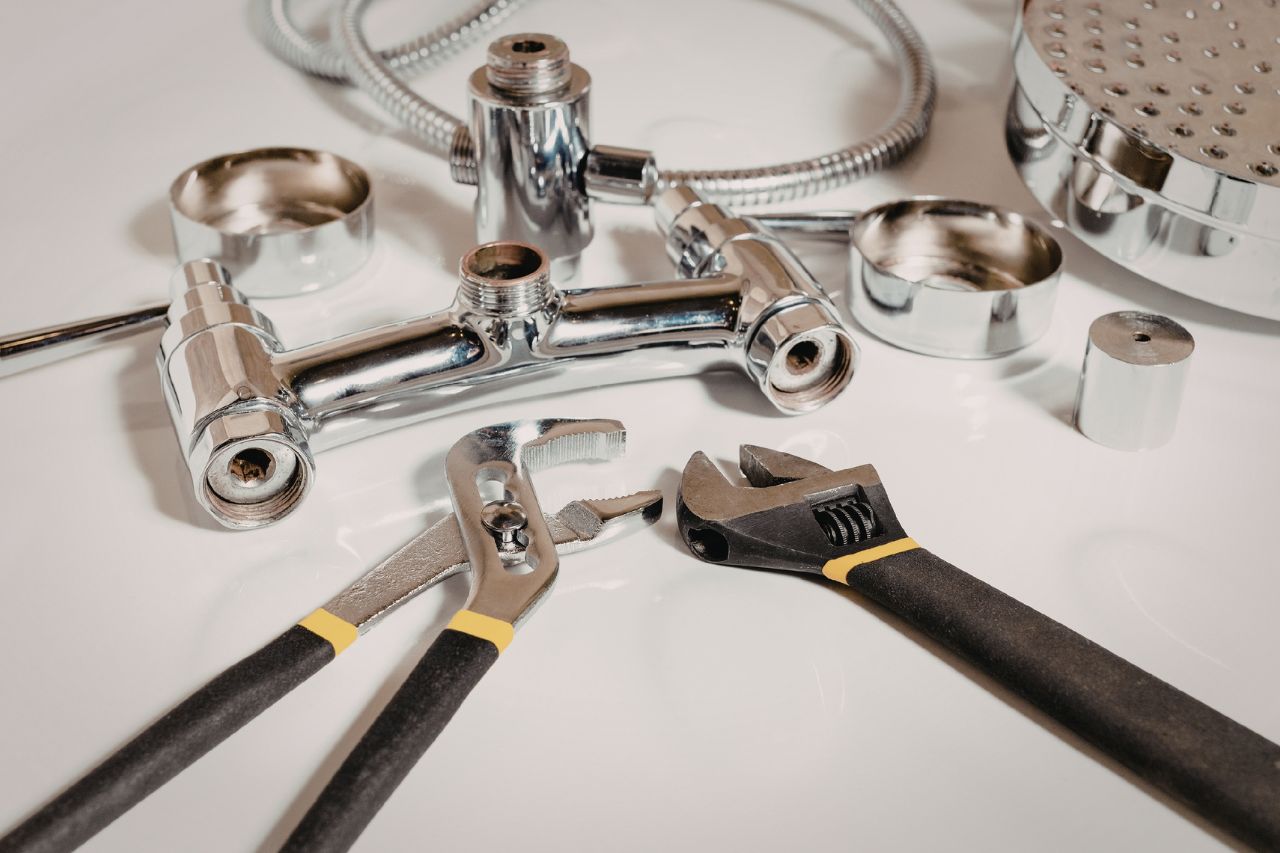
Plumbing issues are among the most common problems homeowners face, and when left unchecked, they can escalate into costly repairs. From minor drips to major pipe bursts, neglected plumbing can damage your property, raise water bills, and create inconvenient emergencies. Regular plumbing maintenance, on the other hand, helps prevent these issues, extends the life of your system, and can save you thousands in repair costs over time.
This guide explains why routine plumbing care is essential, the types of maintenance homeowners should consider, and practical tips to keep your plumbing system in top shape.
The High Cost of Neglected Plumbing
Ignoring minor plumbing issues can escalate it into serious, expensive problems. Leaky faucets can waste hundreds of liters of water each month, increasing utility bills. Clogged drains may cause sewer backups and water damage, while burst pipes can flood your home, damaging floors, walls, and furniture. Water heater failures disrupt daily life and often require costly replacements.
A single unnoticed leak can waste thousands of liters of water annually, resulting in hundreds of dollars in water bills and potentially tens of thousands in property damage. Regular plumbing maintenance helps identify problems early, preventing these costly outcomes.
Key Benefits of Regular Plumbing Maintenance
1. Prevent Costly Repairs
Routine inspections help you catch minor issues—such as worn washers, corroded pipes, or loose fittings—before they turn into major problems. Replacing a washer or tightening a connection costs far less than repairing water damage from a burst pipe.
For example, a small leak behind a wall in an HDB flat may go unnoticed. If left unrepaired, it can weaken wall structures, promote mold growth, and even affect neighboring units. Routine maintenance catches these issues early, avoiding expensive renovations.
2. Extend the Life of Your Plumbing System
A well-maintained plumbing system lasts longer. Pipes, faucets, and appliances that receive regular care experience less wear and tear. This reduces the frequency of replacements and ensures homeowners get the maximum lifespan from their investments.
Simple preventative measures, such as flushing your water heater, removing scale from pipes, and lubricating faucet components, can extend the life of your plumbing system.
3. Detect Hidden Leaks Early
Hidden leaks are common in Singapore homes, especially in HDB flats and condos, where pipes may be concealed behind walls or under floors. Early detection prevents water damage, mold, and structural issues.
Practical methods include:
Monitoring water bills for unusual increases
Inspecting walls, ceilings, and floors for damp spots
Using water meter tests to detect hidden leaks
Identifying leaks early can save homeowners from extensive repairs.
4. Improve Water Efficiency
Regular maintenance ensures your plumbing system operates efficiently. Leaks, clogged pipes, and inefficient appliances waste water. By maintaining your faucets, valves, and pipes, you conserve water and save on utility costs.
For instance, replacing an old, dripping tap with a modern, water-efficient model can save hundreds of liters per month.
5. Avoid Emergencies
Emergency plumbing repairs are often expensive and disruptive. Burst pipes, sewer backups, and water heater failures can happen at any time. Regular maintenance minimizes the risk of sudden emergencies, giving homeowners peace of mind.
Common Plumbing Maintenance Tasks
1. Inspect and Replace Faucets, Washers, and O-Rings
Check all faucets for drips or leaks. Worn washers and O-rings are the most common causes of leaks. Replacing these small components is inexpensive and prevents water waste.
2. Check Water Pressure
Excessive water pressure can damage pipes, joints, and appliances. Use a water pressure gauge to ensure your home stays within safe limits, typically 40–60 psi. Installing pressure-reducing valves may be necessary.
3. Flush Water Heaters
Sediment buildup in water heaters reduces efficiency and lifespan. Flushing the water heater annually removes sediment buildup and prevents corrosion. Inspect valves and connections for leaks while performing this maintenance.
4. Clean Drains and Pipes
Clogged drains can lead to backups and water damage. Use non-corrosive drain cleaners or mechanical methods, such as a plunger or drain snake, to remove blockages. Avoid pouring grease or harsh chemicals down the sink.
5. Inspect Toilets
Check toilets for running water, leaks at the base, or faulty flappers. Replacing worn components keeps toilets efficient and prevents water wastage.
6. Monitor Outdoor Plumbing
For landed properties, inspect garden hoses, irrigation systems, and outdoor pipes. Check for leaks, corrosion, or damage from soil movement or heavy rainfall.
7. Check Hidden or Concealed Pipes
Inspect pipes behind walls or under floors if accessible. Signs of moisture, mold, or unusual water bills may indicate hidden leaks. Professional inspections can locate these issues without major demolition.
8. Seasonal Maintenance
Singapore’s hot and humid climate increases the risk of corrosion. Check for rust, wear, or leaks seasonally, especially on exposed pipes, water tanks and external systems.
Cost vs. Savings
While routine maintenance involves some upfront costs, it is far more economical than emergency repairs. Consider these examples:
- Burst pipe repairs: Emergency repairs can cost $5,000–$15,000, while preventive inspections and minor fixes typically cost $50–$200.
- Water heater issues: Replacing a failed water heater may run $1,500–$3,000, but annual flushing and maintenance costs only $50–$100.
- Toilet problems: Replacing an entire toilet can cost $300–$800, while swapping out flappers or seals usually costs just $20–$50.
- Drain clogs: Severe drain blockages can cost $200–$1,000 to repair, whereas regular cleaning typically costs just $20–$50.
Investing in preventive maintenance can save homeowners thousands of dollars over time while reducing stress and avoiding disruption to daily life.
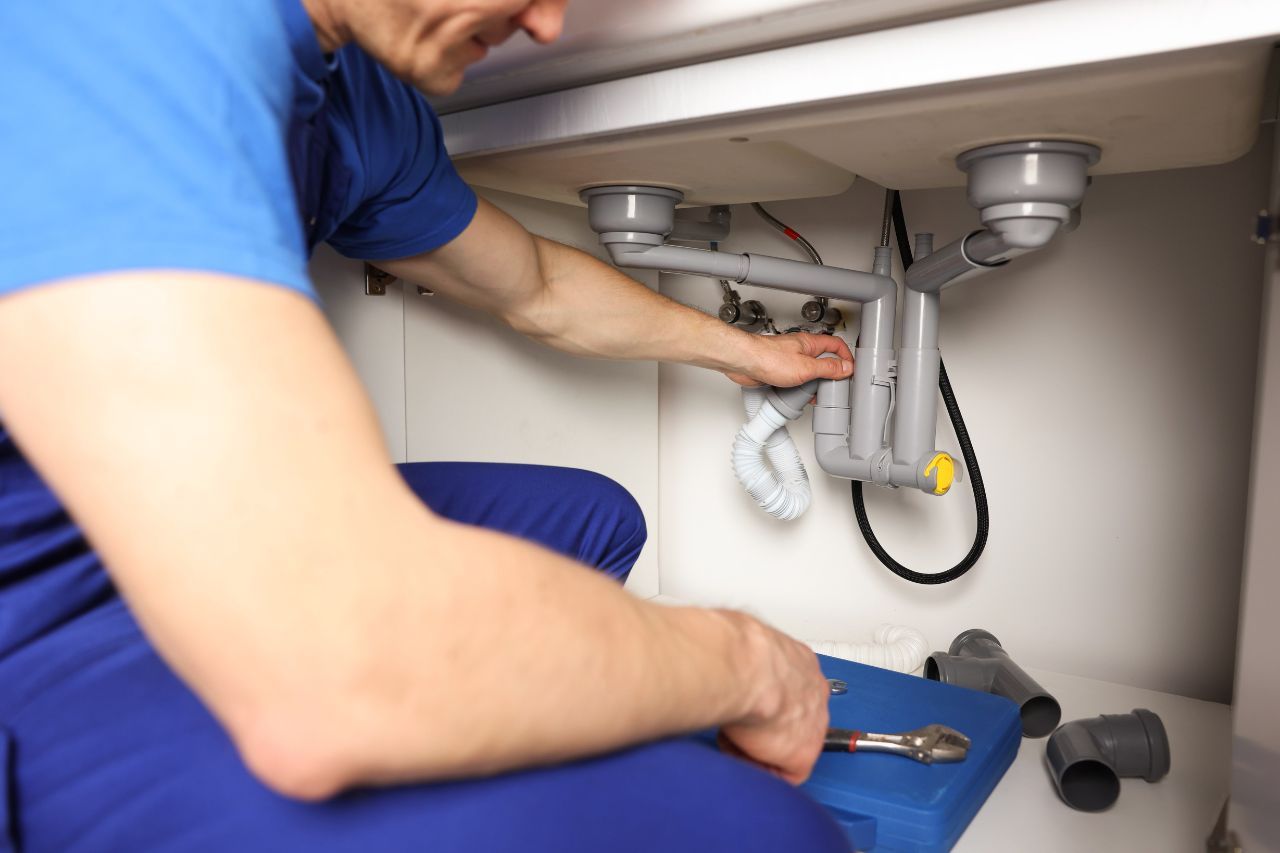
Tips for Effective Plumbing Maintenance
- Create a schedule: Check taps, toilets and electrical appliances every 3–6 months.
- Keep records: Document inspections, repairs, and part replacements for reference.
- Address small issues immediately: Minor leaks or unusual noises can indicate larger problems.
- Use quality materials: High-quality washers, hoses, and pipes last longer and reduce maintenance requirements.
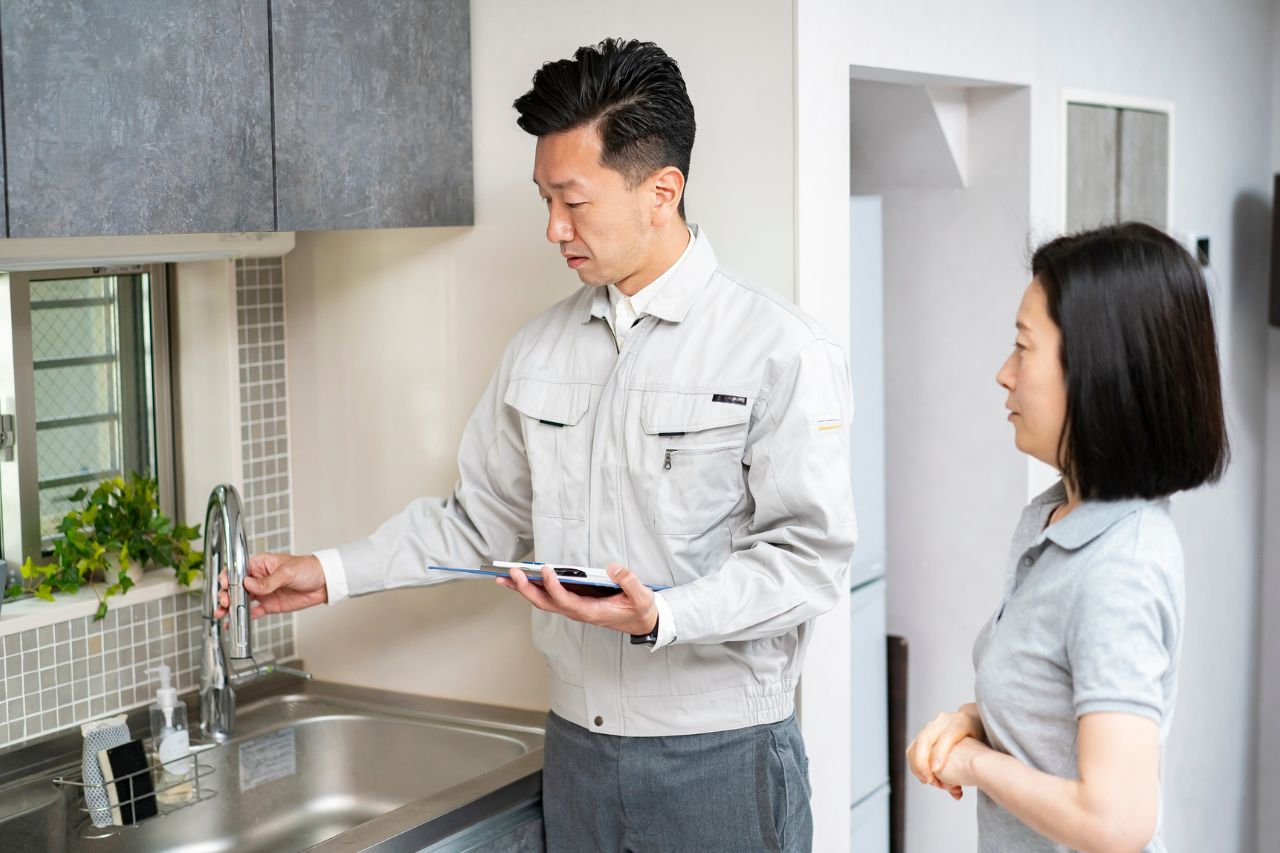
- Hire licensed plumbers for major inspections: Professionals can detect hidden leaks and prevent structural damage.
The Role of Professional Plumbing Services
While homeowners can perform minor maintenance, licensed plumbers provide essential services:
- Leak detection: Thermal or acoustic imaging sensors detect hidden leaks.
- Pipe replacement: Professionals upgrade old or corroded pipes before failures occur.
- Emergency repairs: Addressing burst pipes, water heater failures, or sewer issues quickly.
- Preventive advice: Experts create tailored maintenance plans for HDB, condo, or landed properties.
Engaging professional services ensures maintenance is thorough, safe, and compliant with local standards, reducing the risk of costly damage.
Conclusion
Regular plumbing maintenance is an investment that pays off by preventing emergencies, conserving water, extending the life of your system, and saving thousands in potential repairs. Tasks such as replacing washers, flushing water heaters, inspecting pipes, and monitoring water pressure help your plumbing system operate efficiently and reliably.
Homeowners in HDB flats, condominiums, and landed properties benefit from routine maintenance, early leak detection, and professional inspections. Proactive care protects your home, reduces stress, and provides peace of mind.
Neglecting maintenance may seem cost-saving in the short term, but small issues can escalate into major repairs, property damage, and higher utility bills. By staying vigilant and maintaining your plumbing system, you can avoid unnecessary costs and enjoy a safe, efficient, and long-lasting plumbing system.