Water leaks are one of the most common and costly problems faced by homeowners in Singapore. From slow drips to hidden pipe bursts, leaks can damage property, increase utility bills, and pose serious safety and health risks if left unchecked. With Singapore’s humid climate, high-rise apartments, and intricate plumbing systems, understanding the most common types of water leaks is essential for prevention and timely repair.
This guide explains the different types of water leaks, their causes, warning signs, and solutions to help homeowners maintain a safe, efficient, and leak-free home.
Why Water Leaks Matter
Even small leaks can have a significant impact over time. A dripping faucet might waste hundreds of liters of water each month, while hidden leaks in walls, floors, or ceilings can lead to:
- Structural damage to walls, floors, and ceilings
- Mold growth and health hazards
- Electrical hazards from water near outlets
- Increased water bills
- Damage to personal belongings
Early detection and repair are key to preventing these issues.
1. Dripping Faucets and Taps
Dripping pipes are the most common type of leak in homes in Singapore. They usually occur due to:
- Worn-out washers or O-rings
- Loose or corroded valve seats
- High water pressure
- Mineral buildup from Singapore’s slightly hard water
Warning Signs: Constant dripping water, unusual noises, or increased water bills.
Solution: Replace washers or O-rings, clean or replace valve seats, adjust water pressure, or install water-saving taps to prevent recurrence.
2. Leaking Toilets
Toilets are another frequent source of leaks. Common causes include:
- Faulty flappers that fail to seal the tank
- Cracks in the tank or bowl
- Loose or worn-out supply line connections
- Condensation forming on cold water tanks
Warning Signs: Constant running water, water pooling around the base, or high water bills.
Solution: Replace the flapper, tighten supply connections, repair or replace cracked parts, or insulate the tank to prevent condensation.
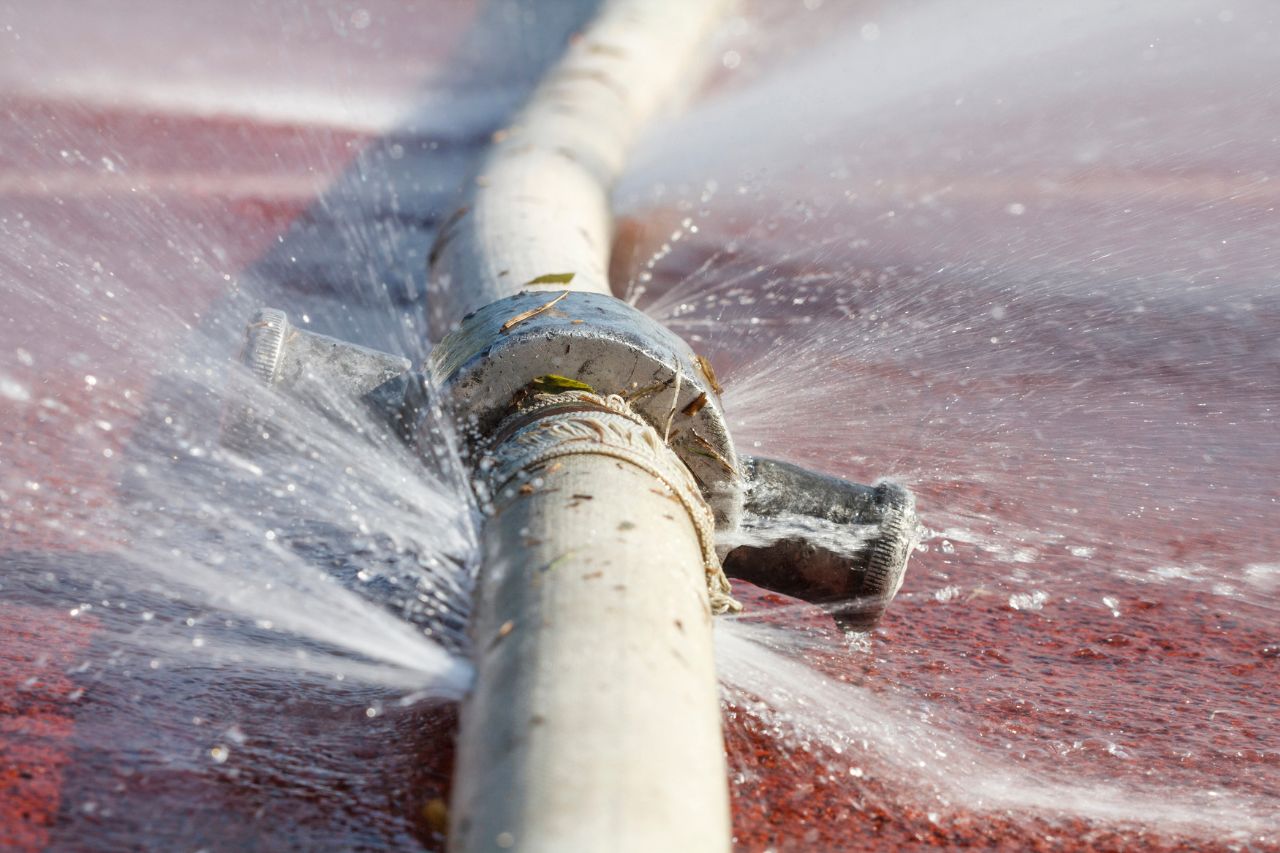
3. Burst Pipes
Burst pipes are a more severe type of water leak, often caused by:
- Corrosion from aging pipes
- Physical damage during renovations
- Blockages or high water pressure
- Shifts in building foundations
Warning Signs: Sudden flooding, reduced water pressure, or visible cracks in walls or floors.
Solution: Turn off the main water supply immediately and call a licensed plumber to repair or replace the affected pipes. Professional plumbing intervention is crucial for burst pipes to prevent extensive damage and safety hazards.
4. Hidden or Concealed Leaks
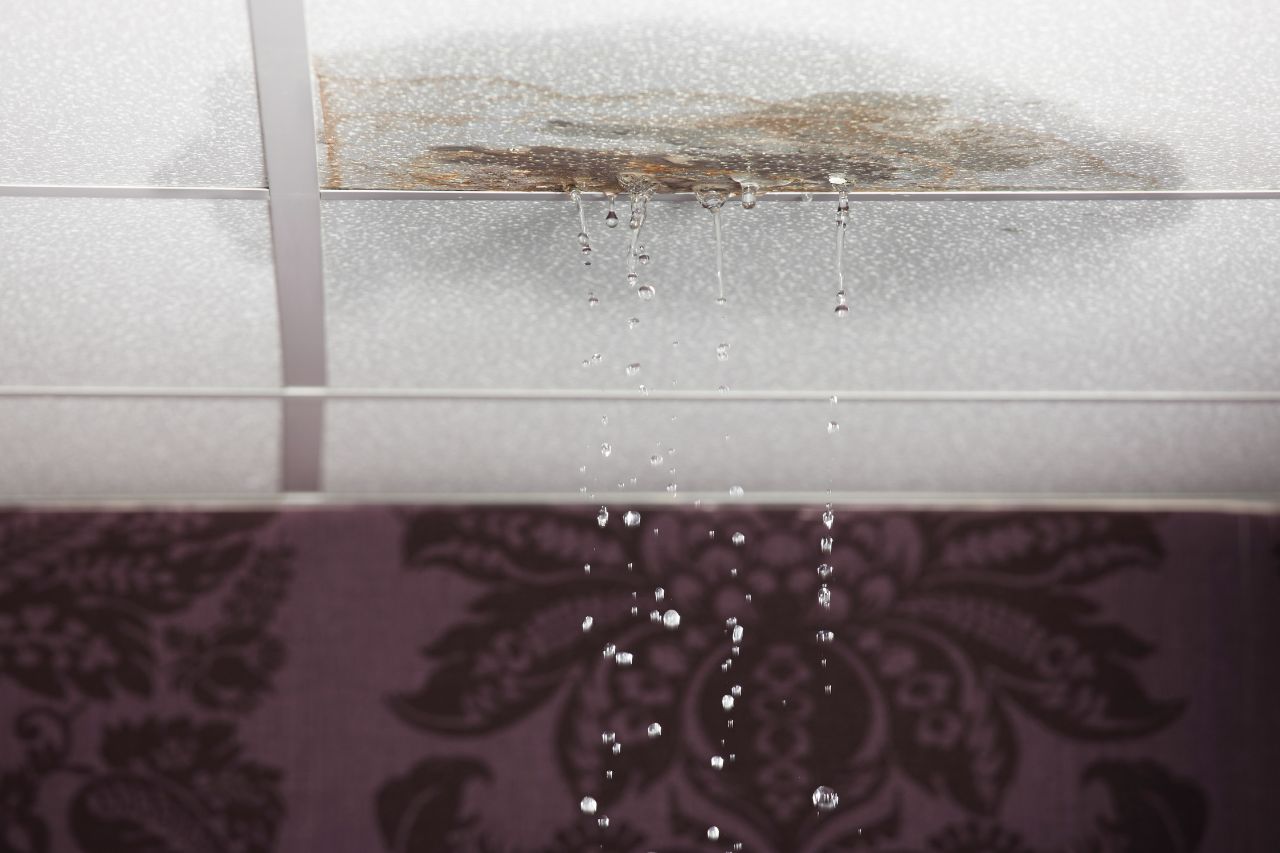
Hidden leaks occur within walls, under floors, or inside ceilings, making them difficult to detect. These leaks often result from:
- Aging plumbing systems
- Loose joints or pipe connections
- Slow, persistent leaks from taps, toilets, or appliances
Warning Signs: Damp spots, mold or mildew, musty odors, peeling paint, or unusual water bills.
Solution: Use professional leak detection services equipped with thermal imaging cameras or acoustic sensors. Early detection prevents extensive structural damage and high repair costs.
5. Leaks from Water Heaters
Water heaters in Singapore homes, especially older models, can develop leaks from:
- Rusted tanks
- Faulty pressure relief valves
- Loose or corroded connections
Warning Signs: Water pooling around the heater, inconsistent hot water, or unusual noises.
Solution: Inspect and replace worn components, flush the tank regularly to remove sediment, or consider upgrading to a modern, more durable water heater.
6. Leaking Washing Machines or Dishwashers
Appliances connected to water lines, such as washing machines and dishwashers, can leak due to:
- Damaged hoses or seals
- Loose water connections
- Clogs causing overflow
Warning Signs: Water on the floor, damp cabinets, unusual noises, or appliance malfunction.
Solution: Check hoses and seals regularly, tighten connections, and clean drains to prevent leaks. Replacing old hoses with reinforced hoses can provide long-term reliability.
7. Roof and Rainwater Leaks
Singapore’s frequent heavy rain can cause roof leaks, especially in landed homes or older buildings. Common causes include:
- Damaged roofing tiles or membranes
- Clogged gutters and downpipes
- Improper roof slopes or drainage
Warning Signs: Water stains on ceilings, dripping water, damp walls, or mold growth.
Solution: Inspect roofs regularly, repair damaged tiles, clean gutters, and ensure proper drainage to prevent leaks. The professional roofing contractor involved ensures long-term protection.
8. External Water Line Leaks
External pipes, including underground mains and irrigation lines, can leak due to:
- Aging pipes
- Ground movement or construction work
- Corrosion or wear and tear
Warning Signs: Soft or soggy ground, unexpected sinkholes, sudden increase in water bills, or visible water pooling outside.
Solution: Professional leak detection is critical. Once located, repair or replace damaged external pipes promptly to avoid property damage and water wastage.
9. Condensation and Moisture Leaks
Sometimes water accumulation is due to condensation rather than a leak, but it can still harm your walls, floors, or ceilings if left unchecked.
Warning Signs: Moisture on pipe surfaces, damp floors, or dripping water from AC units.
Solution: Insulate pipes and tanks, improve ventilation, and monitor humidity levels inside your home.
How to Detect Water Leaks Early
Early detection prevents costly repairs. Some practical ways to identify leaks include:
- Monitor water bills: Sudden spikes can indicate hidden leaks.
- Check for damp spots: Check walls, floors, and ceilings regularly.
- Listen for running water: Unexplained sounds can reveal hidden leaks.
- Test water meter readings: Turn off all water and check the meter after an hour—any change indicates a hidden leak.
- Inspect appliances and connections: Look under sinks, behind washing machines, and around water heaters.
Prevention Tips for Singapore Homes
Preventing leaks is easier than fixing them. Here’s how homeowners can stay ahead:
- Schedule regular plumbing inspections, especially for older HDB flats or landed properties.
- Replace aging pipes with modern, durable materials.
- Install pressure-reducing valves to protect plumbing systems.
- Clean and maintain roof drainage systems in landed homes.
- Use quality washers, O-rings, and hoses for taps and appliances.
- Avoid DIY fixes for hidden or major leaks—always consult a licensed plumber.
When to Call a Professional
Some leaks require professional expertise:
- Persistent leaks despite DIY repairs
- Burst pipes or sudden flooding
- Hidden leaks inside walls or under floors
- Leaks in external water lines or underground pipes
- Roof leaks are causing structural damage
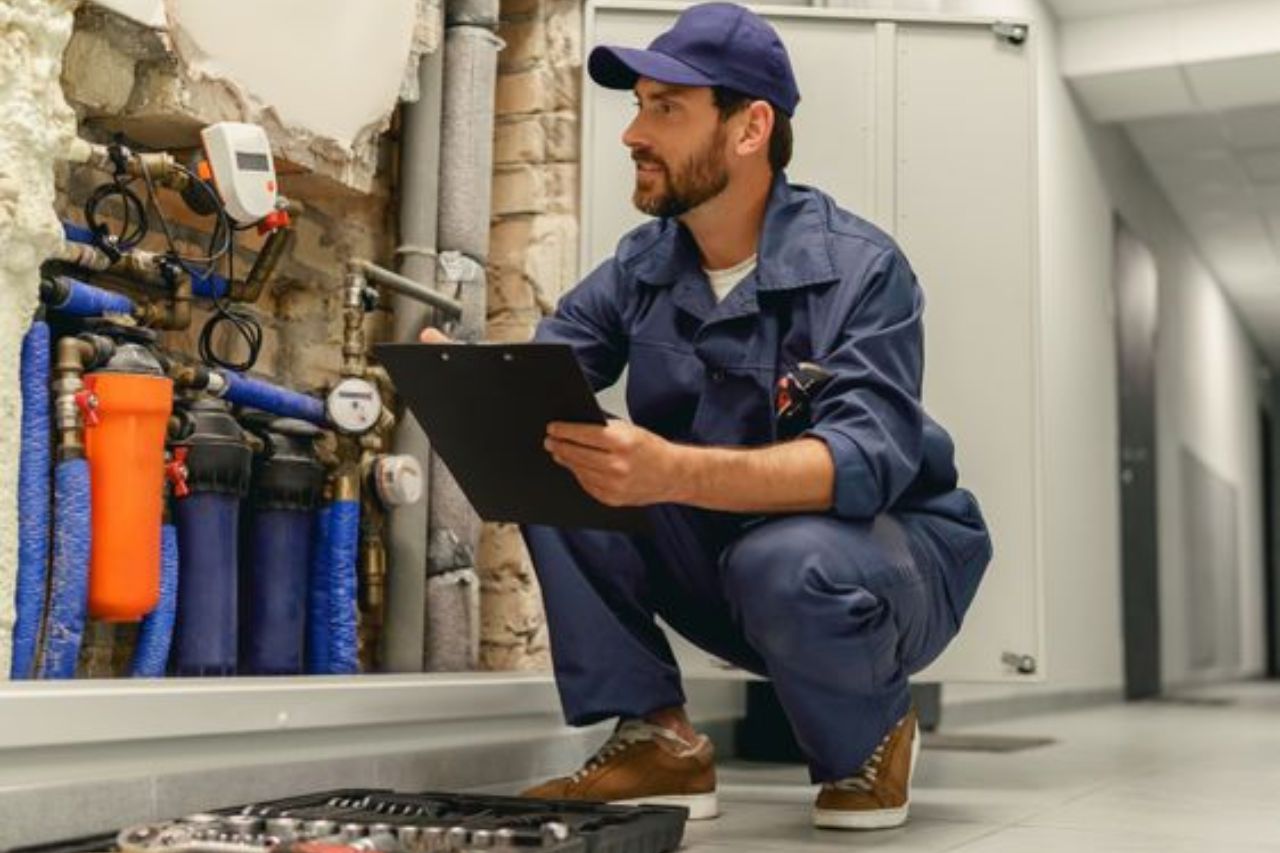
Licensed plumbers in Singapore can perform leak detection, repairs, and maintenance efficiently, saving homeowners from long-term damage and high costs.
Conclusion
Water leaks are one of the most common challenges in Singapore homes, whether you live in an HDB flat, condominium, or landed property. From dripping faucets and leaking toilets to hidden pipe bursts and roof leaks, understanding the types, warning signs, and causes of water leaks is the first step toward prevention.
Routine checks, timely repairs, and proactive leak detection help conserve water and prevent costly property damage. Using quality components, monitoring water bills, and engaging licensed professionals when necessary ensures that leaks are identified and fixed before they become major problems.
By staying informed and vigilant, Singapore homeowners can maintain a safe, efficient, and leak-free home, conserving water and protecting their investment for years to come.