Plumbing issues are among the most stressful problems a homeowner can face. While regular maintenance can prevent minor inconveniences, emergencies can strike without warning, leaving you with potential property damage, disrupted routines, and unexpected expenses. Understanding the common types of plumbing emergencies, how to respond to them, and how to prevent them can save you both money and stress. This guide covers everything a homeowner should know about emergency plumbing situations.
Common Types of Plumbing Emergencies
Homeowners most frequently report several types of plumbing emergencies, which can vary in severity:
1. Burst Pipes
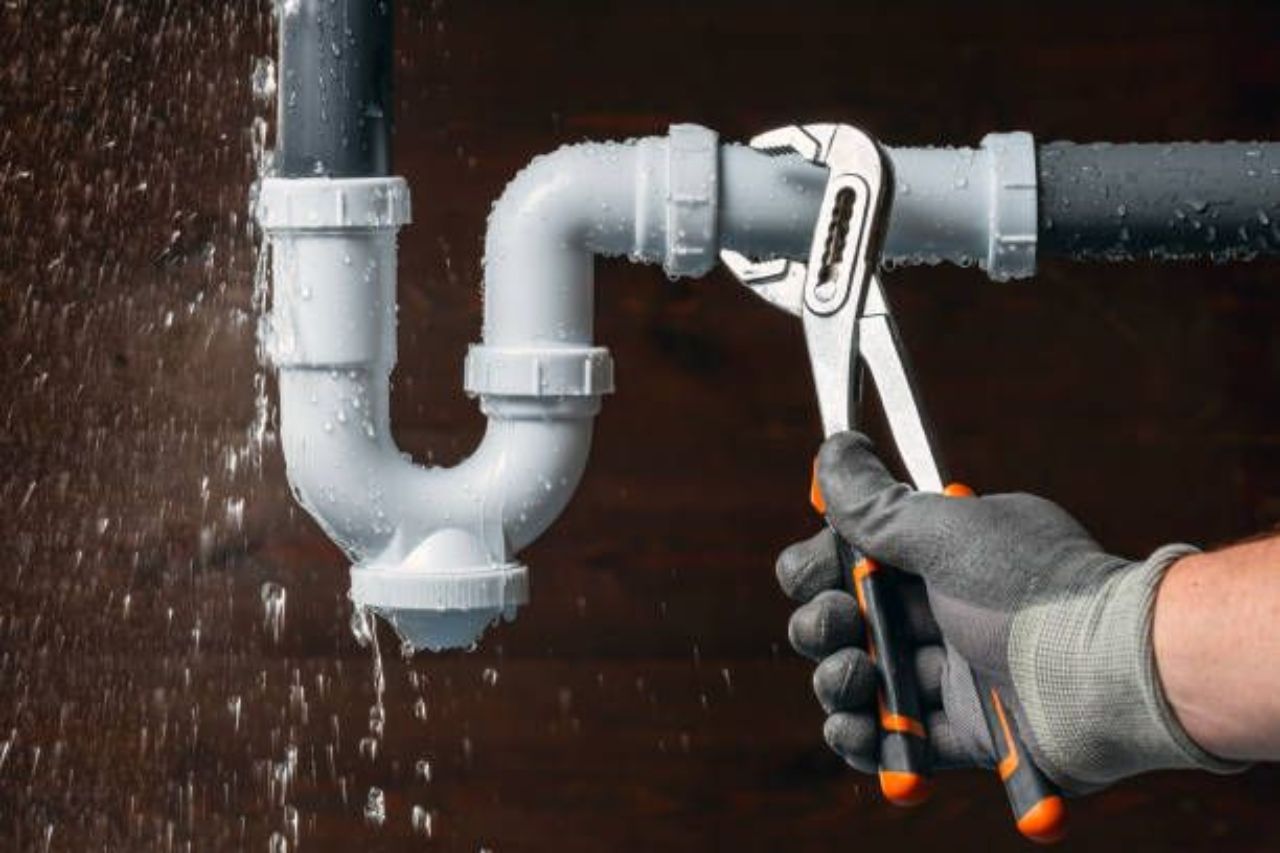
A burst pipe can be catastrophic. Whether caused by freezing temperatures, corrosion, or excessive water pressure, a burst pipe can flood your home in minutes. Signs of a potential burst pipe include visible leaks, unusually high water bills, low water pressure, or strange sounds coming from your plumbing.
2. Sewer Backups
A sewer backup is not only unpleasant but also a serious health hazard. It occurs when wastewater cannot flow out of your home due to blockages in the main sewer line. Causes include tree root intrusion, pipe collapse, or heavy rainfall overwhelming municipal systems. If left unaddressed, sewer backups can contaminate your property and pose significant health risks.
3. Clogged Drains
While minor clogs can be resolved with a plunger or drain cleaner, severe blockages can cause water to back up into sinks, tubs, or toilets. Persistent blockages, foul odors, or water pooling around the drain can indicate a deeper problem that requires professional intervention.
4. Water Heater Failures
A malfunctioning water heater can disrupt your daily routine, leaving you without hot water for showers, cleaning, or cooking. You may notice a failing water heater through unusual noises, leaks at its base, discolored water, or inconsistent hot water.
5. Leaking Fixtures
Leaking faucets, toilets, or showerheads may seem minor, but they can lead to substantial water waste and higher utility bills. Continuous leaks can also damage cabinetry, walls, and flooring, making timely repair essential.
Immediate Steps to Take During a Plumbing Emergency
When a plumbing emergency strikes, acting quickly can prevent extensive damage. Here’s what every homeowner should do:
1. Shut Off the Main Water Supply
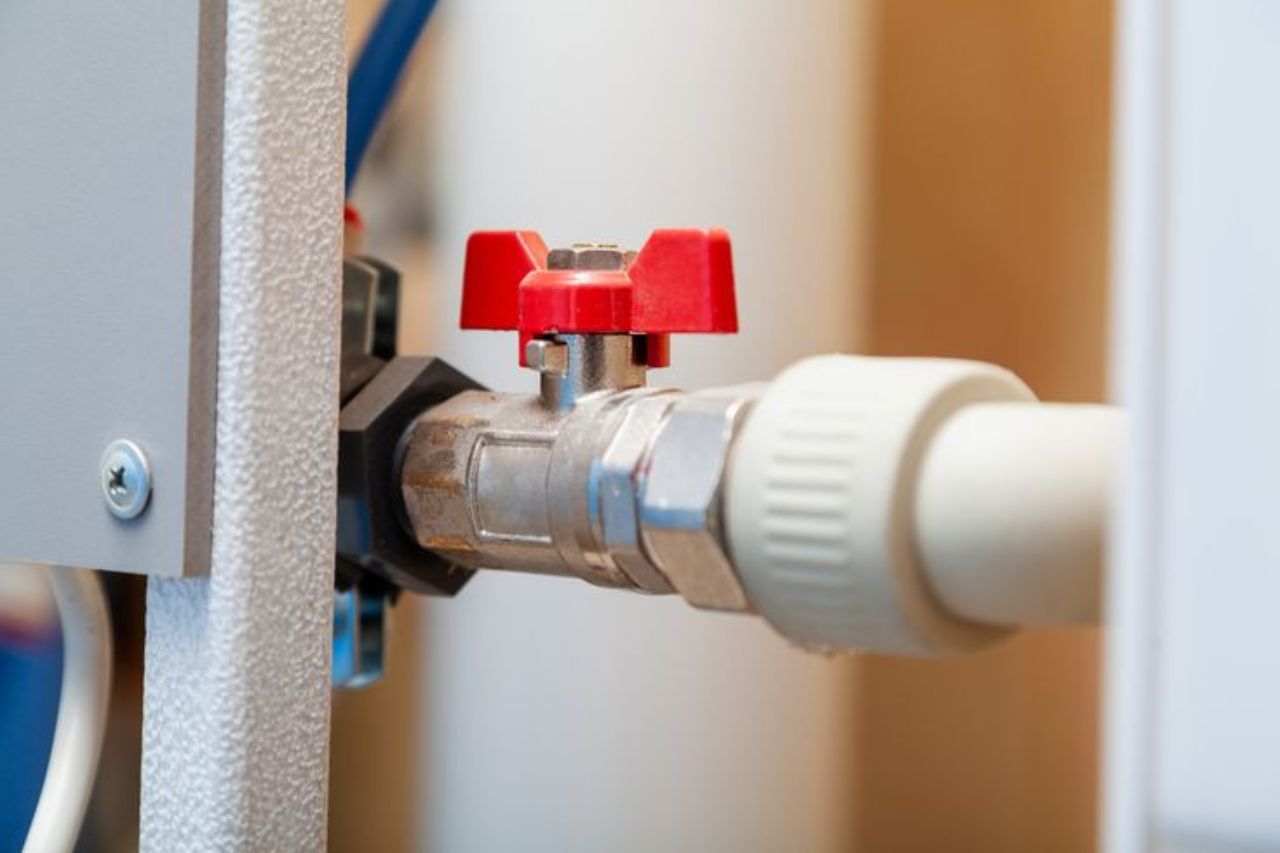
The first step in any emergency is to stop the water flow. Locate your main water shut-off valve, usually found near the water meter or where the main line enters the home. Turning off the water can prevent flooding and reduce damage while you wait for professional assistance.
2. Turn Off Electricity in Affected Areas
Water and electricity are a dangerous combination. If flooding occurs near electrical outlets, switches, or appliances, turn off the power in those areas to prevent electrocution. Avoid standing in water while handling electrical panels.
3. Contain the Damage
If water has begun to flood your home, remove valuable items and furniture from the affected area. Use buckets, towels, or a wet/dry vacuum to contain standing water. While this is not a substitute for professional water removal, it can limit property damage.
4. Assess the Severity
Understanding the severity of the situation will help you decide on the next steps. Minor leaks or clogs might be temporarily managed with home tools, but major flooding, sewer backups, or burst pipes require immediate professional attention.
5. Contact a Licensed Plumber
Emergency plumbing issues often call for the expertise of a trained professional. Contacting a licensed plumber ensures the issue is handled safely, efficiently, and in compliance with local regulations. Many plumbers offer 24/7 emergency services, which can be invaluable during nights or weekends.
Preventing Plumbing Emergencies
While some emergencies are unavoidable, proactive measures can significantly reduce risk. Homeowners should consider the following preventive strategies:
1. Regular Inspections
Schedule regular inspections to keep your plumbing system in top condition. A licensed plumber can identify worn-out pipes, hidden leaks, corrosion, and other potential hazards before they escalate into emergencies.
2. Winterizing Pipes
In regions prone to freezing temperatures, winterizing pipes is essential. Insulate exposed pipes, maintain a consistent indoor temperature, and let faucets drip during extreme cold to prevent freezing.
3. Proper Drain Care
Avoid pouring grease, coffee grounds, or large food scraps down your drains. Use drain screens to catch hair and debris. Regularly clean drains with safe, non-corrosive cleaners to maintain clear pipes.
4. Monitor Water Pressure
High water pressure can stress pipes, joints, and fixtures, increasing the risk of leaks or bursts. Invest in a pressure gauge and ensure your home’s water pressure stays within a safe range (typically 40–60 psi).
5. Water Heater Maintenance
Flush your water heater annually to remove sediment buildup, check for leaks, and inspect the pressure relief valve. Regular maintenance extends the life of your water heater and prevents unexpected failures.
6. Be Cautious with DIY Repairs
While minor tasks such as changing a faucet washer or unclogging a drain may be manageable, complex plumbing issues should always be left to professionals. Incorrect repairs can worsen problems and void warranties or insurance claims.
When to Call an Emergency Plumber
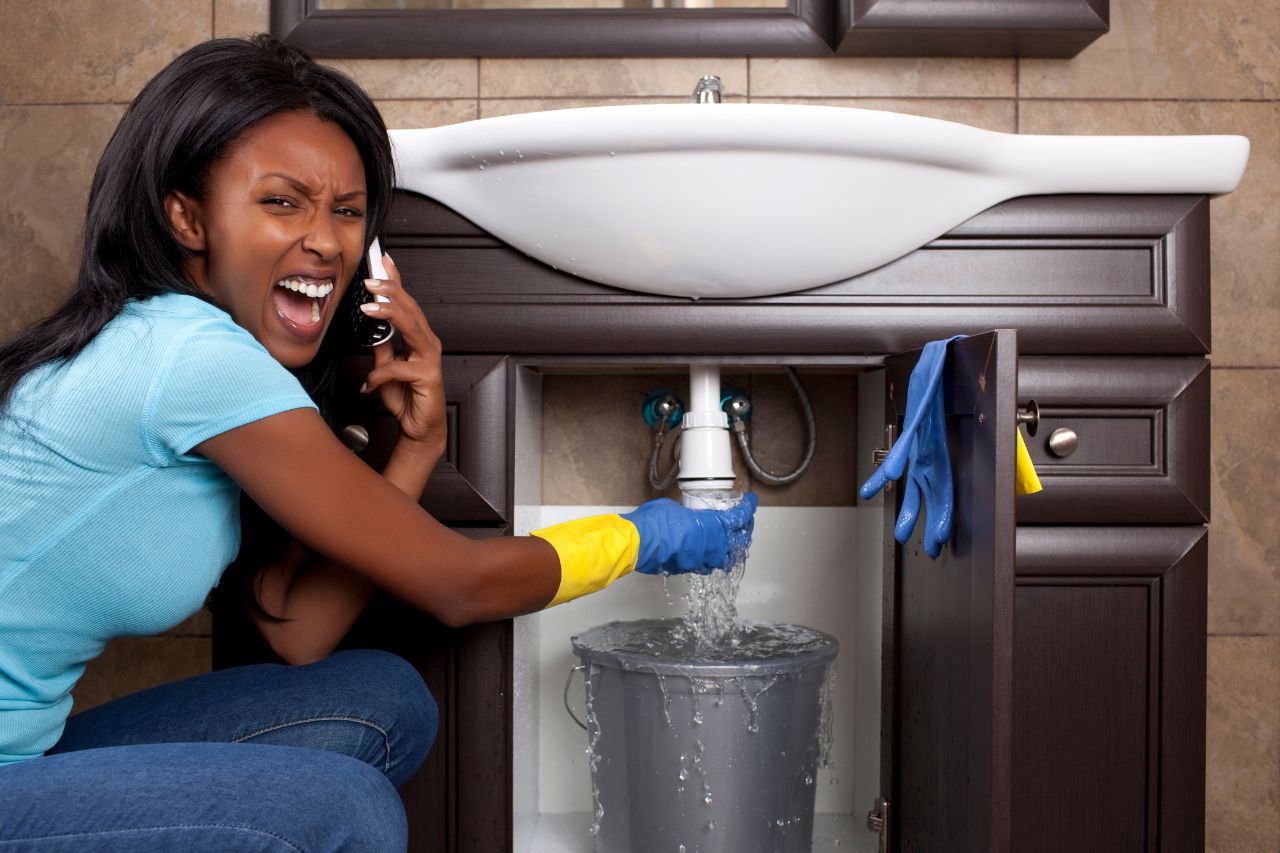
Understanding the threshold for professional intervention can save your home from serious damage. You should call an emergency plumber immediately if you encounter:
- Major leaks or burst pipes: Even small cracks can rapidly escalate.
- Sewer backups or raw sewage: Exposure to raw sewage or sewer backups creates immediate health risks that require urgent attention.
- No water or severely low pressure: This may signal a problem with your main water line.
- Water heater flooding or complete failure: Risk of scalding or structural damage.
- Persistent or worsening clogs: Especially when multiple drains are affected.
Having a reliable plumber on hand ensures fast action and prevents small issues from escalating.
Insurance and Documentation
Homeowners should also consider the role of insurance in emergency plumbing situations. Review your homeowners’ insurance policy to understand coverage for water damage, burst pipes, or sewer backups. Take photos and detailed notes of the damage before starting cleanup; this documentation is crucial for insurance claims and helps you recover losses efficiently.
The Importance of a Preparedness Plan
Preparation is key to minimizing damage and stress. Homeowners should develop a simple emergency plan that includes:
- Knowing the location of shut-off valves for water, gas, and electricity.
- Keeping emergency contact numbers handy, including your plumber, insurance provider, and utility companies.
- Maintaining basic emergency tools and supplies such as towels, buckets, pliers, and a wet/dry vacuum.
- Educating all household members on how to respond to common plumbing emergencies.
Being prepared ensures that everyone in the household knows what to do when time is critical.
Conclusion
Plumbing emergencies can strike at any time, causing anything from minor inconveniences to severe property damage. Understanding the types of emergencies, immediate response steps, preventive measures, and when to call a professional plumber equips homeowners with the knowledge to act confidently and quickly. By taking proactive steps, investing in regular maintenance, and having a preparedness plan, you can reduce the risk of emergencies and protect your home. Remember, when in doubt, always rely on licensed professionals to handle complex plumbing situations safely and effectively.